
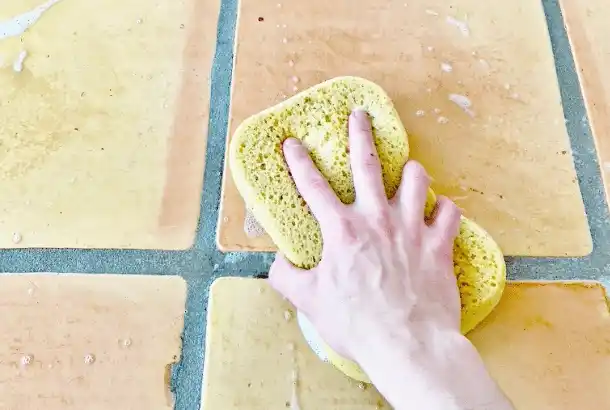
Over time, ceramic tile surfaces can lose their original brightness and begin to show signs of wear. Staining, fading, and surface dullness can make tiles look older than they are, especially in frequently used spaces like kitchens and bathrooms. Rather than removing and replacing the tile entirely, refinishing offers a way to restore the existing surface.
- Ceramic tiles may gradually lose shine and visual clarity
- Surface stains can make tile appear worn or outdated
- Complete tile replacement can be disruptive to the space
- Tile refinishing restores the surface without removing the tile
- Walls, floors, and countertops can regain a refreshed appearance
- The refinished surface adds strength and durability
- Updated tile surfaces help improve the overall look of a room
By restoring both appearance and surface performance, ceramic tile refinishing helps extend the useful life of existing tile. The result of ceramic tile refinishing is a cleaner, more modern-looking surface that supports long-term use and improves how the space feels overall.
Understanding Surface Wear on Ceramic Tile
Daily use and constant moisture can gradually wear down ceramic tile surfaces, causing the finish to dull and become more vulnerable to staining and moisture absorption. As the protective layer breaks down, tile and grout may lose their resistance to surface damage. Ceramic tile refinishing restores this protection by creating a renewed, smooth surface that helps block moisture and improves overall durability while refreshing the tile’s appearance.
To learn more about the process and when it’s most effective, explore our guide What Is Ceramic Tile Refinishing and When Is It Used?
How Daily Use Gradually Affects Tile Finish
Ceramic tile surfaces are exposed to constant use, moisture, and cleaning, all of which slowly affect their finish over time. Even well-maintained tiles can begin to lose their original appearance as surface wear builds up.
- Continuous moisture and steam can dull the tile surface
- Regular cleaning may gradually wear down the original glaze
- Harsh cleaners can speed up surface fading
- Kitchen tiles may develop scratches or chips from daily activity
- Ongoing wear can make tile surfaces look aged
As the finish breaks down, tiles become more vulnerable to visible wear and surface damage, making restoration more difficult without surface renewal.
Common Signs of Surface Deterioration in Ceramic Tile
Surface deterioration often becomes noticeable through changes that go beyond normal dirt or residue. These signs usually indicate that the tile’s protective layer has weakened.
- Reduced shine or smoothness across the tile surface
- Stains that remain despite repeated cleaning
- Discoloration from soap residue, grease, or mineral buildup
- Cracked, darkened, or weakened grout lines
- Uneven or rough tile textures
Recognizing these signs early helps explain why surface restoration may be needed to restore both appearance and function.
Why Worn Tile Loses Its Original Protective Qualities
Ceramic tile relies on a surface glaze to protect against moisture, stains, and daily wear. This coating plays a key role in maintaining durability and ease of cleaning.
- The glaze acts as a barrier that repels moisture and debris
- Daily abrasion gradually wears down the protective layer
- Loss of glaze increases surface porosity
- Dirt and moisture absorb more easily into worn tile
- Surface damage becomes more noticeable and persistent
When the protective layer is compromised, bathroom vanity refinishing helps restore a smooth, sealed surface that supports long-term durability and renewed appearance.
Preparing Ceramic Tile for the Refinishing Process
Proper preparation is essential for successful ceramic tile refinishing, as a clean and stable surface allows the new coating to bond correctly and form a smooth finish. The process involves thorough removal of residue and buildup using specialized cleaning methods, along with careful surface conditioning to create a reliable base. This detailed preparation helps ensure the refinished surface adheres properly and maintains its durability over time.
For a deeper look at common surface issues and how refinishing resolves them, read What Problems Can Ceramic Tile Refinishing Address?
Removing Built-Up Residue and Surface Contaminants
Before refinishing can begin, the tile surface must be thoroughly cleaned to remove anything that could interfere with adhesion. This stage focuses on eliminating buildup that develops gradually through everyday use.
- Removal of accumulated dirt, grease, and oils from frequent contact
- Elimination of soap residue and mineral deposits caused by moisture exposure
- Deep surface cleansing that goes beyond routine household cleaning
- Careful attention to areas where residue is most likely to remain
Thorough cleaning creates a clean foundation that allows the refinishing materials to bond evenly and perform as intended.
Creating a Stable Base for New Surface Application
Once the surface is clean, preparation shifts toward ensuring the new coating can securely attach to the existing tile. A stable base is essential for achieving a durable and consistent finish.
- Conditioning the tile surface to promote proper adhesion
- Using specialized bonding methods to connect the new coating to the tile
- Avoiding aggressive surface treatments that may weaken the tile
- Establishing a uniform surface for even coating application
This step ensures the refinished surface behaves as an extension of the original tile rather than a temporary layer.
Addressing Minor Surface Irregularities Before Refinishing
Surface imperfections can affect both appearance and performance if left uncorrected. Before refinishing, small flaws are evaluated and corrected to create a smooth, even base.
- Filling chips, cracks, and deep scratches in the tile surface
- Smoothing uneven areas that could show through the new finish
- Refining grout lines to improve uniformity and surface continuity
- Preparing a balanced surface that supports a consistent final appearance
Correcting these imperfections allows refinishing to restore not just color, but overall surface integrity and visual cohesion, including areas surrounding custom glass shower surrounds.
Restoring the Tile Surface Through Refinishing
Once preparation and surface repairs are complete, the transformation begins with the application of a new protective coating. This advanced finish is applied evenly to restore a smooth, uniform surface that closely resembles the original factory appearance. The refinished ceramic tile looks refreshed and renewed, with an updated finish that enhances durability and helps protect the surface from future wear.
To decide whether this approach fits your situation, explore When Is Ceramic Tile Refinishing the Right Solution?
Reestablishing a Smooth and Even Tile Finish
Over time, ceramic tile surfaces can become rough, uneven, and more difficult to clean. Refinishing restores the surface by creating a smooth, sealed finish that improves both appearance and usability.
- Creates a closed, smooth surface that no longer absorbs moisture
- Restores uniform shine and texture across tiles and grout lines
- Eliminates dull spots and rough areas caused by wear
- Makes dirt and residue easier to wipe away
This renewed surface closely resembles the tile’s original factory finish, bringing back a clean, consistent look and feel.
Applying a New Surface Layer to Reinforce Durability
Refinishing does more than refresh appearance; it strengthens the tile surface. The new coating is designed to form a tough outer layer that helps the tile withstand everyday use.
- Adds a hardened surface layer that resists scratches and impact
- Reinforces the tile’s ability to handle frequent contact
- Creates a bonded finish that remains stable over time
- Supports consistent performance in high-use areas
This reinforced surface helps maintain the tile’s condition and reduces the effects of ongoing wear.
Improving Resistance to Moisture and Surface Wear
Moisture is one of the most damaging elements for ceramic tile and grout. Refinishing improves resistance by sealing the surface and limiting water absorption.
- Forms a non-porous barrier over tile and grout lines
- Reduces moisture penetration into worn or porous areas
- Limits surface breakdown caused by repeated exposure to water
- Supports easier cleaning in moisture-prone spaces
By strengthening moisture resistance, refinishing helps tile surfaces perform better in bathrooms, kitchens, and other frequently wet environments, including areas that benefit from bathtub refinishing.
Long-Term Results of Ceramic Tile Refinishing
Choosing ceramic tile refinishing offers more than a simple visual refresh. The process strengthens the existing tile surface, helping it maintain its appearance and performance over time while avoiding the disruption of full replacement. By renewing the finish and updating the overall look, refinishing supports long-term durability and allows existing tile to continue serving high-use areas with a cleaner, more modern appearance.
Enhancing the Overall Appearance of Worn Tile Surfaces
Ceramic tile refinishing allows worn or outdated surfaces to take on a refreshed appearance without removing the existing tile. By updating the surface finish, spaces can feel cleaner, brighter, and more visually cohesive.
- Refreshes faded or outdated tile colors.
- Creates a more uniform look across walls, floors, or countertops
- Allows lighter finishes to brighten darker spaces
- Updates the surface appearance without demolition
These visual improvements help transform the overall feel of a room while preserving the original tile structure.
Supporting Consistent Performance Across High-Use Areas
High-use areas place constant demands on tile surfaces, making durability an important factor. Refinishing strengthens the surface so it can better handle regular contact, moisture, and cleaning.
- Reinforces surfaces exposed to frequent daily use
- Helps tile withstand repeated cleaning and contact
- Maintains surface stability in moisture-prone areas
- Supports reliable performance across kitchens and bathrooms
This added durability helps ensure refinished tile continues to perform well in demanding spaces.
Extending the Functional Lifespan of Existing Ceramic Tile
Refinishing helps extend the usefulness of ceramic tile that remains structurally sound but shows surface wear. Rather than removing tile, the process renews the surface and reinforces its protective qualities.
- Preserves existing tile instead of replacing it
- Reduces surface breakdown caused by ongoing wear
- Adds a new protective layer that supports long-term use
- Allows tile to remain functional for years beyond its original finish
By restoring both appearance and surface protection, refinishing helps existing ceramic tile remain a practical and lasting part of the home.
Restoring the Beauty and Durability of Ceramic Tile Surfaces
Ceramic tile refinishing restores worn surfaces by improving both appearance and performance. By repairing surface damage and renewing the protective finish, the process helps tiles remain smooth, durable, and more resistant to moisture and wear. Refinishing allows existing ceramic tile to continue performing well over time, offering a refreshed look without the need for full replacement.
For homeowners looking for dependable surface restoration, Fort Worth Refinishing provides experienced insight and careful workmanship focused on long-lasting results. Our approach emphasizes proper evaluation and quality refinishing to help ceramic tile surfaces look and perform better. Contact us today or give us a call to schedule a consultation and see how tile refinishing can transform your space.
Frequently Asked Questions
How long can refinished ceramic tile surfaces continue to perform well?
A properly refinished ceramic tile surface is designed to remain durable and stable for many years, maintaining resistance to everyday wear when used under normal conditions.
Can ceramic tile refinishing support visual updates in bathroom spaces?
Yes, refinishing allows tile surfaces to be refreshed with updated finishes, helping bathrooms look cleaner, brighter, and more modern without altering the layout.
What types of surface wear can ceramic tile refinishing address?
Refinishing can improve faded color, surface stains, minor chips, cracks, and worn grout while restoring a smooth, sealed surface, making it possible for dull tile floors to regain their original appearance, an idea also explored in detail by Cleaning Supply Mart.
How does ceramic tile refinishing affect the texture of worn tile surfaces?
The process restores a smooth, even texture by sealing rough or porous areas, making the tile easier to clean and more uniform in feel.
Does ceramic tile refinishing change how moisture interacts with the tile surface?
Yes, refinishing creates a non-porous surface that limits moisture absorption and helps protect tile and grout from water-related issues.
Can refinishing help restore consistency across mismatched ceramic tile areas?
Refinishing can unify the appearance of tile surfaces by applying a consistent finish across areas with varying colors or past repairs.
How does ceramic tile refinishing interact with existing grout lines?
The refinishing process seals grout lines along with the tile surface, reducing porosity and improving overall cleanliness and appearance.
What role does surface preparation play in the refinishing outcome?
Surface preparation ensures the new coating bonds correctly, which is essential for durability, stability, and a smooth final finish. This process is also explained in detail by Augmentus, which outlines how proper surface finishing supports long-lasting and consistent results.
How does ceramic tile refinishing influence long-term surface stability?
By restoring the protective surface layer, refinishing helps tiles remain structurally stable and resistant to wear during regular use.