
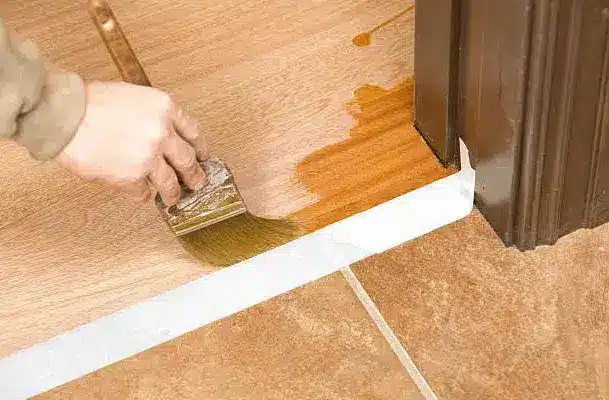
Over time, ceramic tile surfaces can lose their original appearance due to daily use, surface wear, and changing design preferences. Issues such as discoloration, minor damage, or visible aging can make tiled areas feel less clean or visually appealing.
Common ceramic tile problems that may be addressed through refinishing include:
- Stubborn stains and surface discoloration that remain despite regular cleaning
- Minor cracks or chips that affect the smoothness of the tile surface
- Faded or outdated tile colors that no longer match the surrounding space
- Visible surface imperfections that reduce overall tile uniformity
Ceramic tile refinishing is a surface restoration process that focuses on improving the look and condition of existing tile surfaces. By addressing everyday wear and visible flaws, ceramic tile refinishing can help create a more consistent and refreshed appearance in areas such as kitchens and bathrooms without altering the existing tile layout.
Surface Appearance Issues in Ceramic Tiles
Over time, ceramic tiles can develop stains, discoloration, and surface buildup from daily use, making them difficult to clean and less visually appealing. These changes can cause tiled spaces to appear worn or outdated. Refinishing focuses on improving the tile’s surface appearance by covering visible imperfections and restoring a more uniform, refreshed look.
For a deeper explanation of the process and its applications, see What Is Ceramic Tile Refinishing and When Is It Used?
Staining That Alters the Original Tile Color
Over time, ceramic tiles can absorb residue from everyday use, leading to stains that change the tile’s original color. These marks often remain visible even after repeated cleaning.
- Grease, oils, and soap residue can cause deep, persistent staining
- High-use areas such as kitchens and bathrooms are most affected
- Stains may spread unevenly across the tile surface
- Discoloration can make clean spaces appear worn
Ceramic tile refinishing focuses on improving surface appearance by covering these stains and restoring a more consistent, refreshed look.
Discoloration Caused by Age or Prolonged Use
As ceramic tiles age, exposure to moisture, light, and regular use can gradually alter their color. This natural change often makes tiled areas appear dull or outdated.
- Fading or yellowing may occur over time
- Color changes are often permanent
- Affected tiles can lose their original brightness
- Uneven discoloration can impact the overall look of a room
Refinishing helps improve visual consistency by creating an even surface that masks aging-related color changes.
Uneven or Dull Tile Surface Finish
Daily wear can reduce the natural sheen of ceramic tile, leaving surfaces looking flat or inconsistent. This loss of finish can affect how light reflects across the tile.
- Repeated use can wear down surface shine
- Some tiles may appear duller than others
- Previous surface wear can create an uneven finish
- Grout and tile may reflect light differently
Tile refinishing restores surface uniformity by creating a smooth, even finish across all tiles, and bathroom vanity refinishing complements this process by enhancing the appearance of surrounding surfaces, improving the overall look of the space.
Physical Damage Affecting Tile Condition
In addition to appearance concerns, ceramic tiles can develop minor surface damage, such as small chips or hairline cracks, from everyday use. These imperfections can make the surface feel uneven and allow dirt to collect, which may affect both the look and condition of the tile over time. Ceramic tile refinishing focuses on addressing these small surface issues by improving uniformity and restoring a smoother, more consistent finish.
To learn more about how this process improves worn areas, read How Does Ceramic Tile Refinishing Restore Worn Surfaces?
Minor Cracks That Disrupt Tile Integrity
Small cracks can appear in ceramic tiles due to minor impacts or natural movement over time. While these cracks are often shallow, they can affect the tile’s appearance and allow dirt to collect.
- Fine surface cracks may develop from everyday use
- Dirt and debris can settle into visible lines
- Cracks can make tiles look worn or aged
- Uneven surfaces reduce overall visual consistency
Ceramic tile refinishing addresses minor surface cracks by improving uniformity and restoring a smoother, more cohesive tile surface when the underlying tile remains stable.
Chipped Edges and Surface Imperfections
Chipped edges and small surface flaws commonly occur in areas where tiles experience frequent contact. Even minor chips can disrupt the look and feel of a tile surface.
- Dropped or sharp objects can cause small chips
- Rough edges may make surfaces harder to clean
- Visible flaws can draw attention to otherwise intact tiles
- Multiple chips can make surfaces appear damaged
Refinishing improves surface appearance by covering small chips and imperfections, creating a smoother finish that blends repaired areas with surrounding tiles.
Worn Areas Caused by Repeated Foot Traffic
Tiles in frequently used areas can gradually lose their finish due to repeated foot traffic. This wear often creates uneven or dull patches across the surface.
- High-use areas may appear more worn than surrounding tiles
- Loss of finish can make floors look patchy
- Surface wear can reduce light reflection
- Uneven appearance affects the overall look of the space
Tile refinishing restores visual balance by creating a consistent surface layer that helps worn areas blend seamlessly with the rest of the tiled space, while custom glass shower surrounds enhance the finished look by adding a clean, modern focal point to the area.
Aesthetic Concerns Related to Tile Design
Sometimes, ceramic tile issues are purely about appearance rather than damage or wear. Outdated colors or patterns can make kitchens and bathrooms feel dated, even when the tiles are still in good condition. Ceramic tile refinishing offers a way to update the look by changing the tile’s color or finish, helping create a more modern and cohesive appearance without altering the existing tile layout.
For guidance on when this approach makes sense, see When Is Ceramic Tile Refinishing the Right Solution?
Outdated Tile Colors That No Longer Match the Space
Older tile colors can make a kitchen or bathroom feel disconnected from the rest of the home. Even when tiles are structurally sound, dated colors can limit design flexibility and make spaces feel stuck in the past.
- Older color trends may clash with modern interiors
- Strong or unusual hues can dominate the room’s appearance
- Outdated colors can make spaces feel smaller or darker
- Decor choices may feel restricted by the existing tile color
Ceramic tile refinishing updates the surface color, helping tiles better align with current design preferences and creating a more cohesive look throughout the space.
Faded Finishes That Reduce Visual Appeal
Over time, ceramic tile finishes can lose their original shine due to exposure, cleaning, and age. A faded surface can make tiles appear dull even when they are clean.
- Loss of shine can make tiles look worn
- Light reflection may appear uneven across the surface
- Dull finishes can affect the brightness of the room
- Aging finishes can reduce the overall visual impact
Refinishing restores surface consistency by applying a new finish that improves brightness and gives tiles a refreshed, uniform appearance.
Inconsistent Appearance Across Tile Sections
Tile surfaces may look uneven when sections age differently or when past repairs do not blend well. These inconsistencies can disrupt the visual flow of a tiled area.
- Replacement tiles may not match older ones
- Some areas may fade faster than others
- Old repair spots can remain visible
- Uneven color or texture can draw attention
Ceramic tile refinishing creates a unified surface by covering all tiles and grout evenly, and bathtub refinishing complements this approach by enhancing nearby surfaces, helping eliminate visual differences, and restoring a smooth, consistent appearance across the entire area.
Grout-Related Problems That Impact Tile Presentation
In many cases, grout lines are the main source of tile-related issues rather than the tiles themselves. Because grout is porous, it can absorb dirt, discolor over time, and deteriorate more quickly, which can make even well-maintained tiles appear worn or unclean. Ceramic tile refinishing addresses these concerns by improving the surface condition of both tile and grout, creating a more uniform, sealed appearance that is easier to maintain and visually cleaner.
Darkened or Permanently Stained Grout Lines
Grout lines can darken over time due to their porous nature, absorbing moisture, dirt, and residue that regular cleaning cannot fully remove. This often makes tiled areas appear unclean even when the tiles themselves are well-maintained.
- Grout absorbs dirt and moisture easily.
- Stains may remain despite repeated cleaning.
- Dark grout lines can affect the entire tiled surface
- Showers and tubs are commonly affected
Ceramic tile refinishing improves grout appearance by sealing the surface, helping create a cleaner, more uniform look across both tile and grout.
Grout Wear That Creates an Uneven Look
As grout ages, it can wear down or deteriorate, causing grout lines to appear uneven or recessed. These changes can disrupt the tile surface and make maintenance more difficult.
- Worn grout may sit lower than the surrounding tiles
- Uneven lines can collect dirt and debris
- Gaps may form as grout breaks down
- Irregular grout affects the overall surface balance
Refinishing addresses these issues by restoring consistency across grout lines, helping create a smoother and more even tile surface.
Aging Grout That Detracts From Tile Uniformity
Old grout can draw attention away from the tile by creating visible lines or contrast that breaks up the surface. Even intact tiles may appear dated when grout shows signs of age.
- Discolored grout highlights tile separations.
- Inconsistent grout color disrupts visual flow.
- Aging grout emphasizes surface wear.
- Tile areas may look segmented or uneven.
Ceramic tile refinishing enhances uniformity by creating a seamless appearance that minimizes the visual impact of aging grout and improves overall surface cohesion.
Ceramic tile refinishing addresses a range of common surface issues, including stains, discoloration, and minor cracks or chips. The process improves the appearance of both tile and grout, helping restore a more uniform and refreshed look throughout the space. Refinishing can also update tile color or finish, making tiled areas appear more consistent and visually appealing without altering the existing layout.
For homeowners looking for reliable surface restoration, Fort Worth Refinishing offers experienced insight into ceramic tile refinishing and long-term surface improvement. Our focus on careful preparation and consistent finishes helps ensure tile surfaces are restored with attention to detail and visual balance. If you’re considering ceramic tile refinishing and want to understand your options, contact us today or give us a call to schedule a consultation and take the next step toward refreshed tile surfaces.
Frequently Asked Questions
Can ceramic tile refinishing change the visual appearance of existing tiles?
Yes, refinishing can change the color and finish of existing tiles, allowing them to appear more modern or visually consistent without removing the original tile.
How does ceramic tile refinishing affect the long-term condition of tile surfaces?
Refinishing adds a protective surface layer that helps reduce wear, resist moisture, and maintain a smoother tile surface over time.
What surface imperfections can ceramic tile refinishing help correct?
Refinishing can address minor surface imperfections such as small cracks, chips, scratches, stains, and discoloration that affect tile appearance, while proper care practices like those outlined by Ramirro can help maintain tile surfaces over time.
Can ceramic tile refinishing address uneven or inconsistent tile appearance?
Yes, refinishing creates a uniform surface that helps conceal mismatched tiles, uneven fading, or visible past repairs.
How does ceramic tile refinishing impact the condition of grout lines?
Refinishing improves grout appearance by sealing and covering grout lines, helping create a cleaner, more consistent surface.
Are structural tile issues suitable for ceramic tile refinishing?
No, refinishing is not suitable for loose tiles, deep cracks, or underlying structural damage, as it only addresses surface-level concerns.
Does ceramic tile refinishing change how tile surfaces interact with moisture?
A refinished tile surface is less porous, which helps limit moisture absorption and supports a cleaner, more stable surface in damp areas.
What limitations exist when addressing damaged ceramic tiles through refinishing?
Refinishing cannot correct severe damage beneath the tile surface, such as structural movement, water damage, or unstable tiles, which is why guidance like that shared by MagicEzy can help clarify surface-level versus deeper tile issues.
How does ceramic tile refinishing affect overall tile surface uniformity?
Refinishing applies a consistent surface layer across tiles and grout, improving visual balance and creating a smoother, more cohesive appearance.