
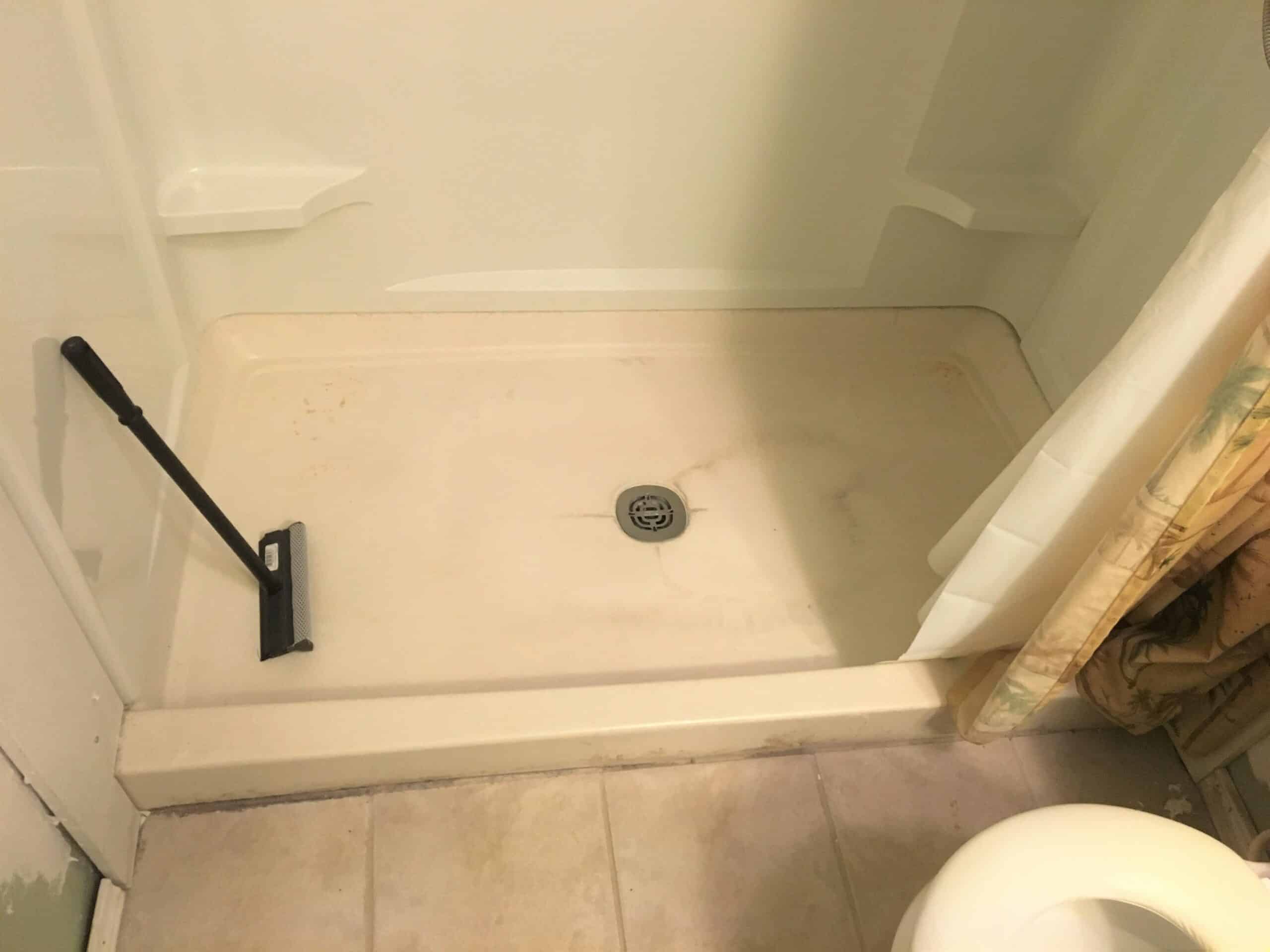
A shower pan performs an important role that many homeowners rarely think about. It sits beneath the shower floor and prevents water from leaking into the structure of the bathroom. When the pan begins to wear out or develop damage, addressing the problem at the right time can help prevent much larger repairs later. In some situations, shower refinishing may restore worn surfaces and extend the life of the shower before full replacement becomes necessary.
One challenge with shower pan problems is that they often develop slowly. Moisture may spread beneath the shower floor long before homeowners notice visible damage. Understanding when it may be time to replace a shower pan allows homeowners to take action before water begins affecting flooring, walls, or structural materials.
Why Timing Matters When Replacing a Shower Pan
Many homeowners wait until a shower pan completely fails before thinking about replacement. However, replacing the pan before major damage occurs can prevent expensive repairs and protect the structure of the bathroom.
Because the pan sits beneath the visible shower floor, small problems may go unnoticed for a long time. Moisture can slowly spread into surrounding materials such as subfloors, wall framing, or nearby drywall before any visible signs appear.
Recognizing when replacement may be necessary allows homeowners to take action early and avoid larger issues like mold growth, structural weakening, or water damage in rooms below the bathroom.
If you want to understand how aging materials can lead to shower pan problems over time, reading Why Shower Pans Fail and What Causes Hidden Water Damage can help explain how these issues develop beneath the surface.
When Visible Cracks Continue to Spread
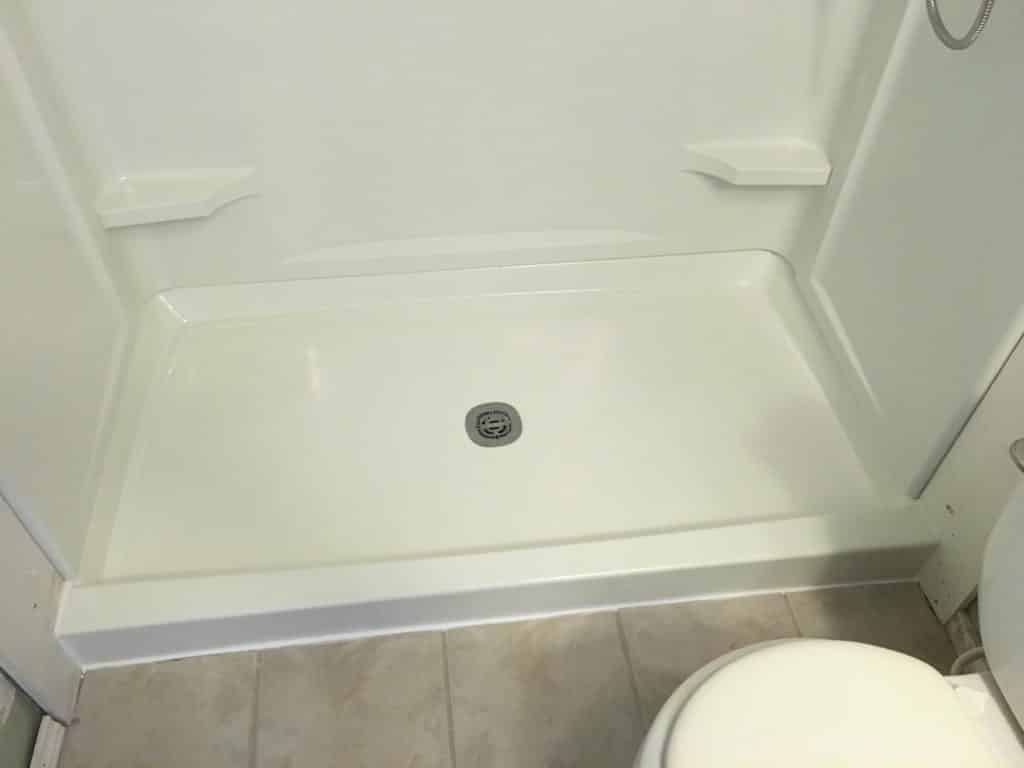
Small cracks may sometimes appear in a shower floor after years of use. While a single hairline crack does not always require replacement, expanding cracks can indicate deeper problems within the shower base.
As cracks grow larger, water can begin reaching the waterproof layers beneath the surface.
Signs the cracks may require replacement include:
- Cracks are growing longer over time
- Multiple cracks are forming across the floor
- Fractures appearing near the drain area
When cracks spread across the base, replacing the pan may prevent moisture from leaking into the subfloor.
When Water Leaks Start Affecting Nearby Areas
One of the clearest signs that replacement may be necessary is when water begins appearing outside the shower.
Leaks may not always show directly inside the shower itself. Instead, moisture may appear in nearby areas of the home.
Possible warning signs include:
- Water stains on the ceilings below the bathroom
- Damp flooring near the shower base
- Discoloration on nearby walls
If water is escaping beyond the shower enclosure, the waterproof system beneath the floor may already be compromised.
To understand the early warning signs of pan damage, you can explore How Do You Know If Your Shower Pan Needs To Be Replaced?, which explains the indicators homeowners should watch for.
When the Shower Floor Feels Soft or Unstable
A solid shower floor should feel stable when stepped on. If the base begins to feel soft, flexible, or uneven, water may already be affecting the structure beneath the shower. In bathrooms with custom glass shower surrounds, these changes may become more noticeable because the clear enclosure allows homeowners to observe shifts in the shower floor or base more easily.
This condition usually develops when moisture reaches the subfloor and weakens the materials supporting the shower base.
Common signs include:
- A spongy feeling when stepping on the floor
- Slight movement in certain areas of the shower base
- Uneven sections in the flooring surface
Once structural materials beneath the shower are affected, replacing the pan is often necessary to stop further damage.
When the Shower Pan Is More Than 20 Years Old
Age can also be a factor when deciding whether replacement is necessary. Many shower pans are designed to last between 15 and 20 years, depending on the materials used and how frequently the shower is used. Older waterproof liners may begin to deteriorate over time.
Age-related warning signs may include:
- Visible wear or discoloration in the shower floor
- Minor cracks are beginning to appear
- Drainage changes or standing water
In some older bathrooms, replacing the pan may help prevent future leaks.
If you want to better understand the role the shower pan plays in protecting the bathroom, readingWhat Is a Shower Pan and Why Does It Matter for Your Bathroom can help explain how this hidden layer supports drainage and prevents moisture from reaching the structure below.
When Mold Appears Near the Shower Area
Mold growth around the shower can sometimes indicate hidden moisture beneath the shower base. When water escapes beneath the pan, it may create damp conditions inside nearby materials.
This moisture can eventually lead to mold growth in hidden areas. Bathrooms that retain moisture for long periods can create conditions where mold develops quickly, which is why understanding how to prevent mold growth in bathrooms can help homeowners reduce the risk of hidden moisture problems around the shower.
Possible signs include:
- Mold forming along nearby baseboards
- Musty odors near the shower
- Recurring mildew despite cleaning
In these cases, replacing the pan may be necessary to stop the moisture source.
When Drainage Problems Continue
Drainage issues may also suggest that the shower base has shifted or deteriorated. Shower pans are designed with a gentle slope that guides water toward the drain. If that slope changes due to structural movement or wear, water may begin collecting on the shower floor.
Drainage warning signs may include:
- Water is pooling in the corners of the shower
- Slow drainage even when pipes are clear
- Standing water remaining after showers
These problems can increase stress on the pan and eventually lead to leaks.
When Repairs No Longer Solve the Problem
Some minor shower issues can be addressed with small repairs. However, if the same problems keep returning, it may indicate that the pan itself has reached the end of its lifespan. Repeated repairs may temporarily improve the situation, but may not stop underlying moisture problems.
Situations where replacement may be the better option include:
- Recurring leaks after previous repairs
- Cracks that return after patching
- Ongoing drainage or moisture issues
Replacing the pan in these cases may help restore the shower system more effectively.
When Bathroom Renovations Are Already Planned
Sometimes the best time to replace a shower pan is during a planned bathroom renovation. If tiles, walls, or plumbing are already being updated, replacing the pan at the same time may prevent future issues. In many cases, homeowners also consider bathroom refinishing to refresh worn surfaces and restore the appearance of the shower without completing a full rebuild.
Updating the pan during renovation can also allow professionals to install newer waterproofing materials. This can improve the durability and protection of the shower system moving forward.
Modern bathroom renovations often include updated shower layouts and waterproofing improvements, and reviewing design considerations for modern walk-in and doorless shower layouts can help homeowners understand how shower structure and drainage are planned during upgrades.
Why Professional Inspections Can Prevent Larger Bathroom Repairs
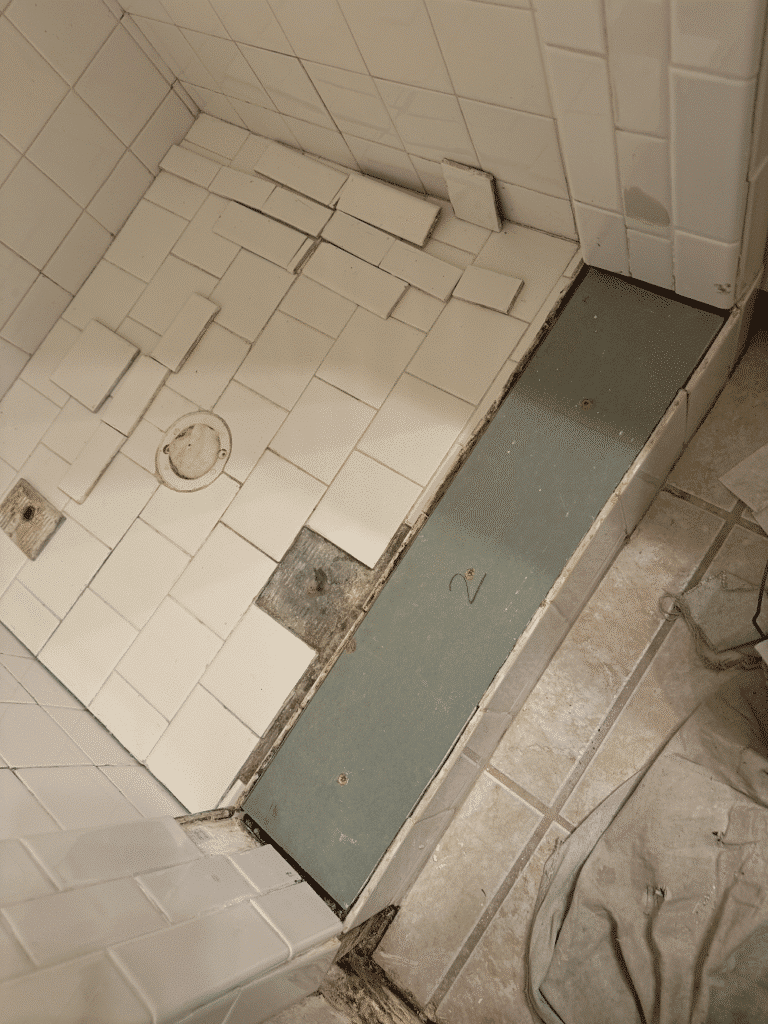
Shower pan problems often begin beneath the surface, where they are difficult for homeowners to detect. Because the waterproof layer sits below the visible shower floor, early damage may develop long before cracks, stains, or leaks appear.
A professional inspection allows specialists to evaluate the condition of the shower base and the surrounding waterproof system. Professionals can check for subtle signs of deterioration that may not be obvious during a routine visual check.
During an inspection, professionals typically evaluate several parts of the shower system, including:
- The stability of the shower floor
- The condition of the drain connection
- The presence of hidden moisture beneath the base
- Early signs of cracks or structural movement
Identifying these problems early can help prevent water from spreading into nearby materials such as subfloors, walls, or ceilings below the bathroom. Addressing issues at this stage often reduces the risk of larger structural repairs later.
Protecting Your Bathroom From Future Water Damage
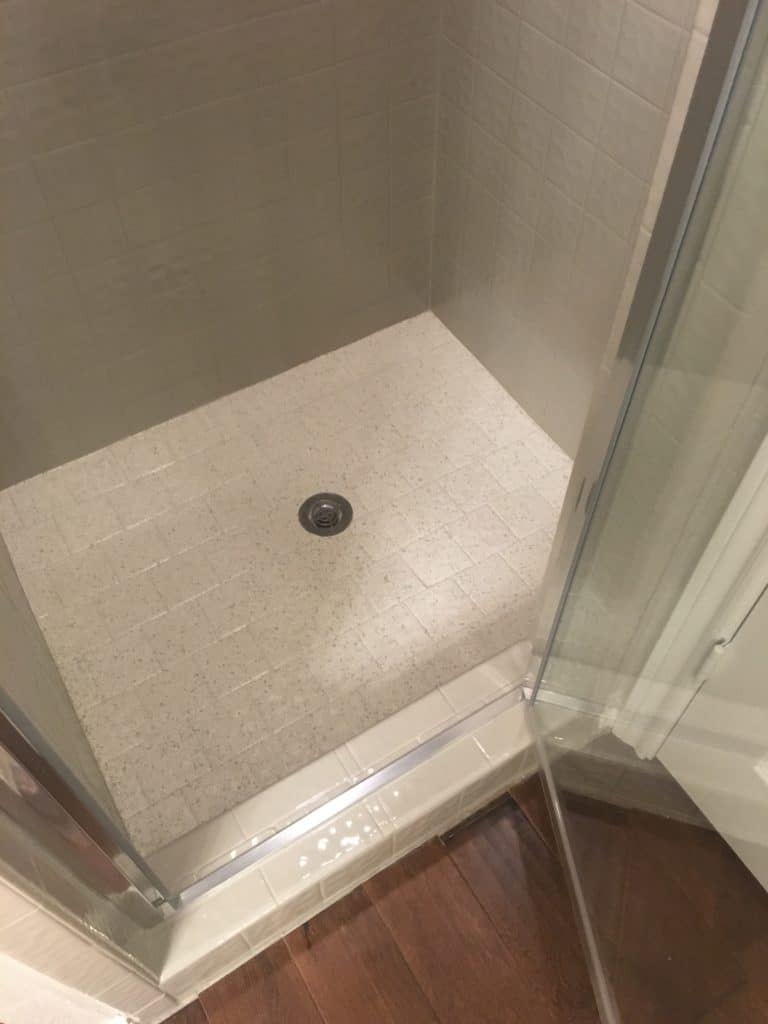
Replacing a shower pan at the right time can help prevent major structural problems in the bathroom. When homeowners recognize warning signs early, they can address issues before moisture spreads to nearby materials. Routine inspections, monitoring drainage, and watching for small cracks can help identify problems before they become serious.
Fort Worth Refinishing provides professional shower system evaluations for homeowners in Arlington, TX, who notice unusual moisture or changes in the shower floor. An inspection can determine whether refinishing may restore the surface or if replacing the pan is the safest long-term solution. If your shower pan may be approaching the end of its lifespan, our experienced professionals can assess the condition of the system and recommend the most effective path forward. Contact us today or give us a call to schedule an inspection and help protect your bathroom from hidden water damage.
Frequently Asked Questions
Can a shower pan be replaced before it leaks?
Yes. Replacing the pan early can prevent hidden water damage from developing beneath the shower.
Do all shower cracks require replacement?
Not always. Small cosmetic cracks may sometimes be repaired, but expanding cracks often require replacement.
Can a leaking shower pan damage the subfloor?
Yes. Water escaping beneath the shower can weaken subfloor materials and nearby structures.
Is mold near the shower always caused by a pan leak?
Not always, but hidden moisture beneath the shower base can contribute to mold growth.
Should homeowners inspect the shower base regularly?
Periodic visual inspections can help detect cracks, drainage changes, or unusual moisture.
Can a shower pan shift over time?
Yes. Structural movement or aging materials can cause the base to shift slightly.
Does replacing the shower pan require removing tile?
In many cases, parts of the shower floor or surrounding tile must be removed to access the pan.
Can a damaged shower pan affect nearby rooms?
Yes. Water leaks may eventually appear as stains or moisture in ceilings below the bathroom.
Is it better to replace the pan before major damage occurs?
Yes. Addressing problems early can prevent expensive structural repairs.