

Mold in the shower is more than just an eyesore. It can affect your health and damage your bathroom over time. If you are tired of scrubbing endlessly, you need the best methods to remove mold for good. Understanding how to get rid of mold in shower will help you maintain a spotless, fresh, and healthy space without constant frustration.
Not all cleaning solutions work the same. Some can even make the problem worse. Experts recommend using effective mold-killing techniques that prevent regrowth rather than just masking the issue. Knowing the right approach will save you time and effort if you are dealing with stubborn black mold or mildew. If the mold has damaged your tiles or surfaces, a refinishing company in Fort Worth, TX, can help restore your shower to its original beauty.
Do not let mold take over your bathroom. Act now to protect your home and health. With the right tools and techniques, you can eliminate mold and keep it from returning. Keep reading as we reveal expert-approved methods to banish shower mold for good. This will ensure a cleaner and healthier home for you and your family.
What Causes Mold to Grow in the Shower?
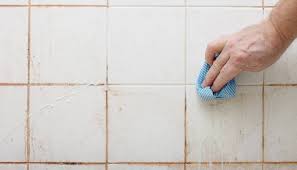
Mold thrives in damp, humid environments, making your shower an ideal place to grow. When steam from hot showers lingers, it increases moisture levels, creating the perfect conditions for mold to spread. Poor ventilation makes the problem worse by trapping humid air inside. Without proper airflow, moisture gets absorbed into grout, tiles, and walls, allowing mold spores to multiply. Understanding how to get rid of mold in the shower starts with identifying what causes it in the first place.
Another major cause is stagnant water that collects in shower corners, tile crevices, and grout lines. Mold can thrive on a damp surface if water does not drain properly. Soap scum, dirt, and body oils also contribute by providing food for mold to grow. Over time, you may notice dark stains or discoloration on your tiles, walls, or shower curtains. These signs of mold buildup should be addressed immediately to prevent further damage and potential health risks.
What are the Best Methods for Mildew Removal in the Shower?
Mildew removal is essential for keeping your shower clean and preventing mold growth. If left untreated, mildew can spread quickly, leading to health risks and damage to your bathroom. Using the right cleaning techniques can help eliminate mold and mildew effectively. Below are some of the best methods to remove mildew and prevent it from returning. Understanding how to get rid of mold in the shower will help you maintain a fresh and healthy bathroom.
White Vinegar Solution
Vinegar is a natural disinfectant that kills mold spores on contact. Spray undiluted vinegar directly onto moldy areas and let it sit for an hour. Scrub the surface with a brush or sponge, then rinse thoroughly with warm water to remove any remaining residue.
Baking Soda Paste
Baking soda is a gentle cleaner that absorbs moisture, eliminates mold odors, and is a good absorbent of moisture. Mix baking soda with water to create a thick paste, then apply it to moldy spots. Scrub using a brush and rinse with warm water to remove mold completely.
Hydrogen Peroxide Spray
Hydrogen peroxide is a strong antifungal agent that kills mold and prevents regrowth. Pour 3% hydrogen peroxide into a spray bottle and apply it to the affected areas. Let it sit for ten minutes, scrub the surface, and rinse with water to remove any residue.
Regular Bathroom Cleaning
Keeping your shower clean helps prevent mold from forming. Wipe down wet surfaces after each shower, use an exhaust fan to improve ventilation, and clean tile grout regularly. These mildew removal methods will help ensure mold does not return, keeping your shower fresh and hygienic.
To keep your shower mold-free, it is important to use the right cleaning methods and stay consistent with regular maintenance. Following these mildew removal techniques can prevent mold from spreading and maintain a fresh, healthy bathroom. Take action today to protect your home and enjoy a clean, hygienic shower space.
How Do You Deep Clean Shower Grout and Tiles to Eliminate Mold?
Mold often hides in grout lines and tile surfaces, making deep cleaning essential for total removal. Since grout is porous, it easily traps moisture, allowing mold to thrive. The best way to clean shower grout is by using a paste made of baking soda and hydrogen peroxide. This combination effectively breaks down mold, removes stains, and restores grout to its original color. If you are wondering how to get rid of mold in the shower, focusing on grout and tiles will make a big difference in keeping your bathroom fresh and mold-free.
Using a steam cleaner can help eliminate mold spores without relying on harsh chemicals for a deeper clean. The high-temperature steam penetrates grout pores, killing mold at the root. Scrubbing grout with a stiff-bristled brush and a tile disinfecting agent removes even the toughest mold buildup. To prevent future mold growth, sealing grout lines with a waterproof sealant adds a protective barrier against moisture. Maintaining a dry and well-ventilated bathroom can keep your shower tiles and grout clean and mold-free for the long term.
What are the Most Effective Black Mold Treatments for the Shower?
When mold turns black, it signals a severe infestation that needs immediate attention. Black mold thrives in damp shower environments and can spread quickly if not treated properly. Knowing how to get rid of mold in shower is essential to maintaining a clean and healthy bathroom. There are both natural and chemical treatments that effectively eliminate black mold and prevent it from coming back. Below are some of the most effective methods to remove black mold from your shower.
Bleach Solution
A powerful disinfectant, bleach kills black mold on contact and removes stains. Mix one bleach with ten parts water and apply it to moldy areas using a spray bottle or sponge. Let it sit for 30 minutes, then scrub thoroughly before rinsing with warm water.
Tea Tree Oil Treatment
Tea tree oil is a natural antifungal that kills black mold at its root. Combine one teaspoon of tea tree oil with one cup of water in a spray bottle and shake well. Spray it directly on moldy areas, let it sit overnight, and wipe clean the next day for a chemical-free solution.
Hydrogen Peroxide Spray
Hydrogen peroxide is an effective remover that eliminates black mold and prevents regrowth. Pour 3% hydrogen peroxide into a spray bottle and apply it to the affected areas. Let it sit for ten minutes before scrubbing it with a brush and rinsing it with water.
Professional Mold Remediation
Professional mold removal may be necessary if black mold keeps returning despite regular cleaning. Experts use advanced treatments to eliminate mold at its source and prevent structural damage. Hiring professionals can also help protect your home from further contamination and reduce potential health risks.
Proper black mold removal is crucial to protecting your shower from harmful fungi. Using these methods consistently prevents mold from spreading and reduces the risk of respiratory issues caused by prolonged exposure to mold spores. Keeping your bathroom dry and well-ventilated will further help stop mold growth in the future.
How to Prevent Mold from Returning After Cleaning?
Once you remove mold, it is essential to take steps to prevent it from coming back. Mold thrives in damp, humid environments, so controlling moisture and improving ventilation are key to keeping it away. Knowing how to get rid of mold in shower is just the first step. Proper prevention measures will ensure that your shower stays clean and mold-free in the long run. Below are some effective ways to stop mold from returning.
- Use an Exhaust Fan – Running a bathroom exhaust fan for at least 30 minutes after showering helps to reduce humidity levels. Proper ventilation prevents moisture from lingering on walls and ceilings, making it harder for mold spores to grow and spread.
- Wipe Down Shower Surfaces – Use a squeegee or towel to wipe down wet surfaces like walls, floors, and glass doors after every shower. This removes excess moisture and prevents water from pooling in corners, where mold is most likely to develop.
- Seal Grout and Caulking – Applying a waterproof sealer to grout lines and caulking creates a protective barrier against moisture absorption. This prevents mold from embedding into porous surfaces, reducing the chances of mold regrowth in shower tiles and crevices.
- Keep the Shower Door Open – Leaving the shower door or curtain open after use allows air to circulate and speeds up drying. This simple habit helps prevent trapped moisture, a common cause of recurring bathroom mold issues.
By maintaining proper moisture control and following these preventative steps, you can keep your shower mold-free for the long term. Regular cleaning, good ventilation, and simple daily habits will help ensure that mold does not return and cause further problems in your bathroom.
Which Natural Mold Removers Are the Best for Bathroom Cleaning?
For those who prefer chemical-free options, natural mold removers are a safe and effective choice for bathroom cleaning. White vinegar is one of the best solutions, killing up to 82% of mold species. Simply spray undiluted vinegar on affected areas, let it sit, then scrub and rinse for a mold-free shower. Knowing how to get rid of mold in the shower naturally can help keep your bathroom fresh without harsh chemicals.
Hydrogen peroxide is another excellent option, especially for stubborn mold stains in grout lines. It works as an antifungal agent, breaking down mold while disinfecting surfaces. When mixed with water or vinegar, baking soda is a mild abrasive, helping scrub mold off tiles. These natural, non-toxic solutions prevent mold growth and maintain a clean shower space.
How to Maintain a Mold-Free Shower with Daily Moisture Control?
Moisture control is the key to preventing mold from returning. Since mold thrives in damp environments, daily habits can make a significant difference in keeping your shower clean. Knowing how to get rid of mold in shower is important, but preventing it in the first place is even better. You can maintain a fresh and hygienic bathroom without constant scrubbing by following simple moisture control strategies.
- Dry Your Shower – After every use, wipe down shower tiles, glass doors, and floors with a squeegee or towel. Removing excess water prevents moisture buildup, the main cause of mold growth in bathrooms. This small step helps keep mold from settling in.
- Open Windows and Use a Dehumidifier – Proper ventilation helps keep humidity levels in check. If your bathroom has a window, open it after showers to let fresh air in. A dehumidifier or an exhaust fan can also help remove excess moisture and reduce mold risk.
- Apply an Anti-Mold Spray Weekly – Spraying a natural mold prevention solution made from vinegar, hydrogen peroxide, or essential oils helps keep mold at bay. Apply it to shower walls, grout, and corners once a week to create a protective barrier against mold regrowth.
Combining routine bathroom cleaning and daily moisture control strategies will ensure long-term mold prevention. Making these simple habits part of your routine allows you to maintain a mold-free shower and keep your bathroom fresh, clean, and safe from mold-related issues.
Frequently Asked Questions
What is the most effective method to remove black mold from shower caulking?
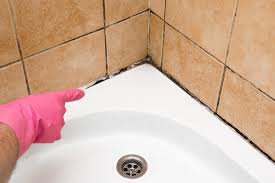
To remove black mold from shower caulking effectively, soak cotton balls or paper towels in bleach and press them against the moldy areas. Let them sit for several hours before scrubbing and rinsing. Apply a paste of baking soda and vinegar for a natural option, then scrub thoroughly. Knowing how to get rid of mold in shower properly ensures long-term cleanliness.
Why does my shower get moldy so fast?
A shower that gets moldy quickly is usually due to high humidity, poor ventilation, and lingering moisture. When water remains on tiles and grout, mold spores multiply. Using an exhaust fan, opening a window, and drying surfaces after each use can slow mold growth and keep your shower cleaner longer.
What are the signs of mold sickness, and should I be concerned?
Mold exposure can cause nasal congestion, coughing, throat irritation, headaches, and skin rashes. Long-term exposure may worsen allergies or respiratory issues. If you notice mold in your bathroom and experience these symptoms, remove it immediately. Improving air circulation and maintaining a dry environment will help prevent mold-related health risks.
Does boiling water remove mold from tiles and grout?
Boiling water can kill surface mold on tiles, but it is ineffective for deep-set mold in grout. Mold often penetrates porous surfaces, making it difficult to remove with hot water alone. Instead, use a strong tile disinfectant or a mold-specific cleaner to eliminate spores and prevent regrowth.
What kills mold permanently and keeps it from coming back?
To permanently kill mold, use strong mold-killing agents like bleach, hydrogen peroxide, or vinegar. However, long-term prevention is key. Keeping your shower dry, improving ventilation, and sealing grout will help stop mold from returning. Knowing how to get rid of mold in the shower effectively can save you time and effort in future cleanings.
Conclusion
Mold in the shower is frustrating, but you don’t have to fight it alone. Knowing how to get rid of mold in shower is the first step, but true prevention comes from expert refinishing and long-term solutions. At Ft. Worth Refinishing, we specialize in restoring showers and protecting them from mold damage, ensuring your bathroom stays fresh, clean, and beautiful. Our refinishing services provide a long-lasting barrier against moisture, helping you maintain a mold-free space with minimal effort.
You can spend hours scrubbing, but mold always finds a way back without the right protection. Instead of constantly battling stubborn stains, let our professional refinishing service upgrade your shower’s durability. By sealing and restoring surfaces, we eliminate mold-friendly cracks and crevices, making future cleaning easier and more effective. Our process not only refreshes the look of your bathroom but also creates a moisture-resistant surface that keeps mold from returning.
Don't let mold take over your shower and impact your home’s cleanliness and value. Take action today with Ft. Worth Refinishing and experience the benefits of a mold-free, beautifully restored bathroom. Contact us now to learn more about our refinishing services and say goodbye to mold for good. Your shower deserves a fresh start!
End Note
Mold, stains, and worn-out surfaces can make your bathroom look old and uninviting. At Ft. Worth Refinishing, we provide expert shower refinishing services that restore your shower’s beauty while preventing mold buildup. Our refinishing process creates a moisture-resistant barrier, making cleaning easier and extending the life of your surfaces. Explore all our Services to see how we can upgrade your bathroom without the high cost of replacements.
If your bathtub, vanity, or tiles show signs of wear, we offer bathtub refinishing and bathroom vanity refinishing to bring back their shine and durability. We proudly serve various locations, so check out the Areas We Serve to see if we can assist you. Visit our Gallery to view real transformations from satisfied customers and get inspired for your own bathroom makeover.
At Ft. Worth Refinishing, we are dedicated to high-quality craftsmanship and customer satisfaction. Learn more About Us and our commitment to excellence on Our Philosophy page. See why homeowners trust us by reading our customer reviews and staying updated with expert refinishing tips on our Blog. Ready to transform your bathroom? Contact Us today or connect with us on Facebook to get started on your refinishing project!


