
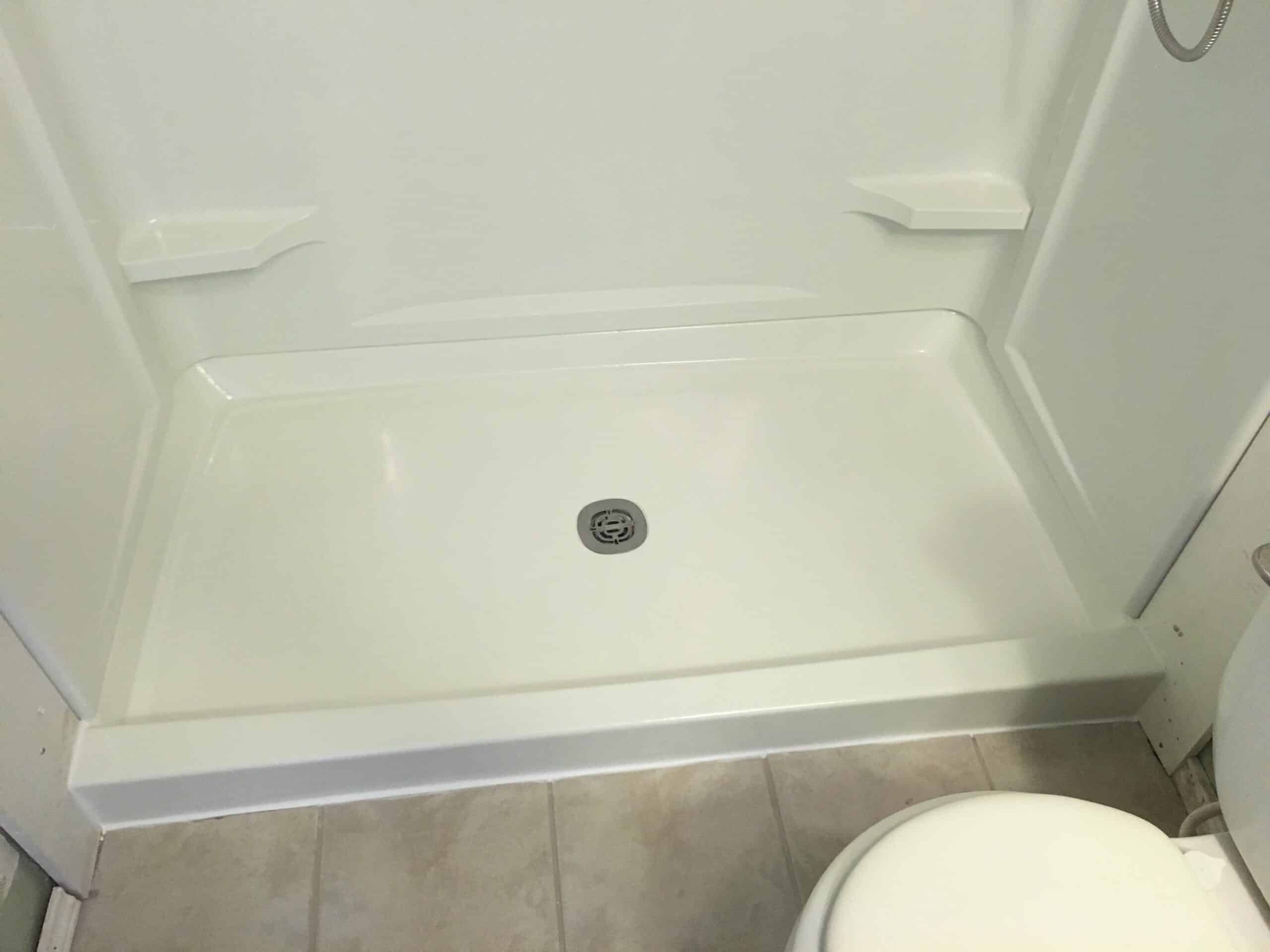
A shower should protect your bathroom from water damage, but when the shower pan starts to fail, it can allow water to leak beneath the surface. Over time, this hidden moisture can damage the subfloor, weaken bathroom structures, and even create mold problems. Many homeowners in Arlington, TX, only notice the issue after stains appear on ceilings or walls below the bathroom. In some situations, shower refinishing can restore the surface and help prevent further deterioration before the damage spreads.
The shower pan sits beneath the tile or shower floor and works as a waterproof barrier that directs water toward the drain. When it cracks, separates, or deteriorates, the entire shower system can become vulnerable to leaks. Understanding the warning signs early can help prevent major repairs.
Why the Shower Pan Is One of the Most Important Parts of Your Shower
Many homeowners focus on the tile or glass enclosure when thinking about their shower, but the shower pan is actually the foundation of the entire system. This waterproof layer sits beneath the shower floor and directs water safely into the drain. When it functions properly, it protects the bathroom structure from moisture damage.
If the pan begins to crack, separate, or deteriorate, water can slowly move beneath the shower surface. Over time, this moisture can affect nearby flooring, drywall, and even the structural framing of the home. Because the pan sits below the visible shower floor, problems may develop long before homeowners notice them.
Understanding how this system works can help homeowners recognize the early warning signs of damage. For a deeper explanation of how the shower base protects the bathroom, you can explore What Is a Shower Pan and Why Does It Matter for Your Bathroom.
Water Leaking Around the Base of the Shower
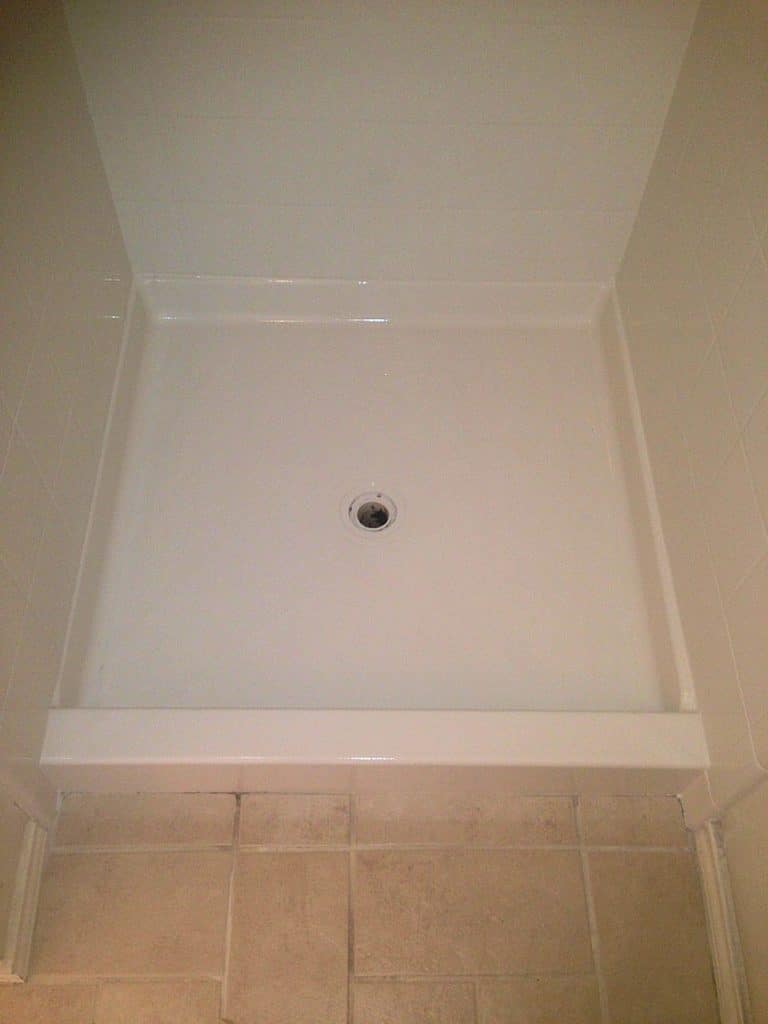
One of the most obvious warning signs is water escaping from the bottom edge of the shower. If you notice water pooling near the base of the shower enclosure or spreading across the bathroom floor, the pan may no longer be sealing water correctly.
Shower pans are designed to contain water and direct it toward the drain. When that system breaks down, water may escape through small cracks or gaps in the waterproof layer.
Homeowners in Arlington homes often notice this issue during or shortly after a shower. Even small leaks can lead to hidden moisture beneath the flooring if ignored.
Common signs to watch for:
- Water is pooling along the outside edge of the shower
- Damp flooring near the shower door or curtain
- Moisture appears even when the shower enclosure is closed
Soft or Spongy Flooring in the Shower
A shower floor should feel firm and stable when you step on it. If the floor begins to feel soft or slightly flexible, moisture may already be affecting the structure beneath the shower.
Water that leaks from a damaged shower pan can weaken the subfloor or support materials underneath the base.
Over time, this damage may cause the shower base to shift or sink.
Signs the flooring may be compromised:
- The shower floor moves slightly when stepped on
- Certain areas feel softer than others
- The floor feels uneven under your weight
Cracks in the Shower Floor or Base
Visible cracks in the shower base often indicate that the protective layer beneath the surface may be compromised. Even small cracks can allow water to seep beneath the shower floor and reach the waterproof liner below. In some bathrooms with custom glass shower surrounds, these cracks may be easier to notice because the enclosure allows clear visibility of the shower floor and surrounding surfaces.
Fiberglass and acrylic pans sometimes develop cracks from age or repeated pressure, while tiled showers may show cracks in grout or tile surfaces.
Understanding the structure beneath the shower can help homeowners recognize how these cracks affect the system. For a deeper explanation, read What Is a Shower Pan and Why It Matters for Your Bathroom.
Types of cracks that may indicate a problem:
- Hairline cracks in fiberglass or acrylic bases
- Fractures around the drain area
- Cracked grout or loose tiles on the shower floor
Mold or Mildew Appearing Outside the Shower
Mold developing outside the shower area can signal that moisture is escaping from the base of the shower.
When water leaks beneath the shower pan, it can travel through surrounding materials and create the damp conditions that mold needs to grow.
Many homeowners first notice mold along nearby baseboards or wall corners. Persistent mold growth can sometimes signal hidden moisture problems beneath the shower floor, and understanding how to identify mold growth caused by moisture in bathrooms can help homeowners recognize when water damage may be developing behind walls or flooring.
Possible warning signs include:
- Dark spots appearing near the shower base
- A musty odor that returns after cleaning
- Mold forming along nearby walls or trim
Water Stains on the Ceiling Below the Bathroom
If your bathroom sits above another room, leaks from the shower pan may eventually appear on the ceiling below.
Water that escapes beneath the shower floor can move through the subfloor and spread across nearby structures before becoming visible.
Look for signs such as:
- Yellow or brown stains on ceilings
- Peeling paint or bubbling drywall
- Slight sagging in the ceiling surface
The Shower Takes Longer to Drain Than Before
Drainage problems sometimes occur when the shower base begins to shift or lose its proper slope.
Shower pans are designed with a slight angle that directs water toward the drain. If the base structure changes, water may collect on the floor.
Signs the drainage system may be affected:
- Water is pooling on the shower floor
- Slow drainage despite a clear drain
- Standing water near the corners of the shower
Persistent Musty Odors in the Bathroom
A lingering musty smell often indicates hidden moisture somewhere in the bathroom.
If the shower pan is leaking beneath the surface, water may remain trapped within the floor structure for long periods. Because mold can thrive in damp environments, understanding how mold develops in shower environments can help homeowners recognize when hidden moisture may be contributing to persistent odors.
If you want to better understand how moisture problems develop beneath the shower floor, reading Why Shower Pans Fail and What Causes Hidden Water Damage can help explain how these hidden leaks form and spread.
Odor-related warning signs may include:
- A damp smell is strongest near the shower area
- Odors returning shortly after cleaning
- Moisture smells that worsen after showers
The Shower Is More Than 15–20 Years Old
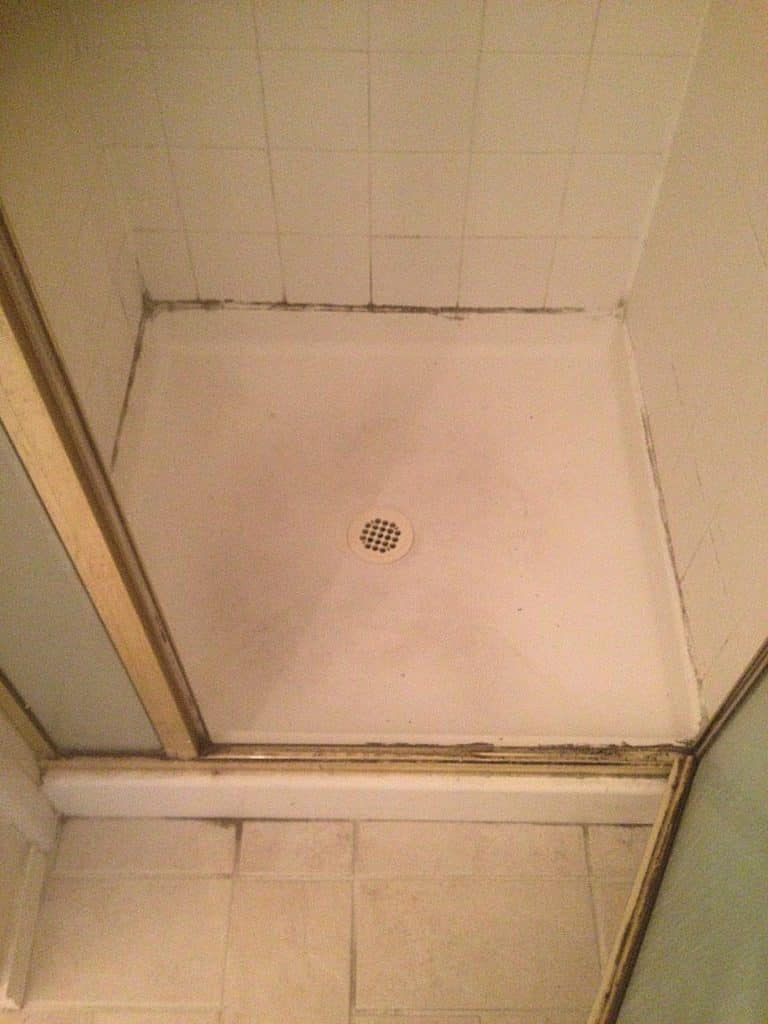
Older shower systems are more likely to experience wear in the waterproof layers beneath the surface. Materials used in earlier installations may deteriorate over time, especially in bathrooms that experience heavy daily use. Many homes in Arlington that were built several decades ago still contain their original shower bases, which may benefit from bathroom refinishing to restore worn surfaces and extend the life of the shower system.
Age-related signs to consider:
- The shower has never been updated or refinished
- The bathroom was installed more than 15 years ago
- Minor cracks or drainage issues are beginning to appear
If you are unsure when replacement may become necessary, read When Should You Replace a Shower Pan Before Major Damage to explain how age and wear affect the shower base.
Protecting Your Bathroom From Hidden Water Damage
A failing shower pan may not always show obvious signs right away. Water can remain trapped beneath the shower floor for months before visible damage appears. Recognizing the warning signs early allows homeowners to prevent larger problems that could affect flooring, walls, and structural components of the home. Homeowners in Arlington, TX often rely on professional inspections when they notice unusual moisture, cracks, or changes in the shower floor.
Fort Worth Refinishing can evaluate your shower base, identify the cause of water issues, and recommend the best solution to restore your bathroom safely. Contact us today or give us a call to schedule an inspection and protect your bathroom from hidden water damage.
Frequently Asked Questions
How long does a typical shower pan last?
Many shower pans last between 15 and 20 years, depending on the materials used and how frequently the shower is used.
Is a leaking shower pan a serious problem?
Yes. Even small leaks can allow water to damage the subfloor, walls, and nearby structures if the issue is not addressed quickly.
Can a shower leak without visible water on the floor?
Yes. Water may escape beneath the shower and travel through the flooring structure without appearing on the bathroom floor.
Does mold always mean the shower pan is damaged?
Not always. Mold can also develop from humidity or poor ventilation, but persistent mold near the shower may suggest hidden moisture problems.
What causes shower pans to fail over time?
Common causes include aging materials, improper installation, repeated heavy use, and small cracks that gradually expand.
Should homeowners inspect their shower pan regularly?
Periodic visual inspections of the shower floor, grout lines, and surrounding areas can help detect early signs of damage.
Can tile showers still have pan leaks?
Yes. Even when the tile appears intact, the waterproof layer beneath the tile may be damaged.
Does replacing a shower pan require removing the entire shower?
In many cases, part of the shower floor or surrounding tile must be removed to access and replace the pan properly.
Is it better to replace a shower pan before major leaks occur?
Yes. Addressing early warning signs can prevent expensive repairs and protect the structure of the bathroom.


