

Many homeowners focus on tiles, fixtures, or glass doors when thinking about their shower. However, the shower pan is one of the most important parts of the entire shower system. It sits underneath the shower floor and acts as a waterproof base that protects the structure of the bathroom. In some cases, shower refinishing can restore worn or damaged surfaces and help extend the life of the shower before more serious problems develop.
When the pan works correctly, it directs water safely into the drain and prevents moisture from reaching the floor beneath the shower. If the pan fails, water can slowly seep into nearby materials and lead to structural damage.
Why Every Shower Needs a Properly Installed Pan
Before understanding how a shower pan works, it helps to know why it is such an essential part of any shower system. Every shower produces a large amount of water during daily use. Without a properly installed pan beneath the surface, that water could easily seep into the flooring structure.
A shower pan acts as a protective barrier between the shower and the rest of the home. It captures water that passes through grout lines or small openings in the tile surface and safely directs it toward the drain. This design helps prevent moisture from reaching the wooden subfloor and nearby structural materials.
Without this protective layer, water exposure could gradually weaken the flooring system beneath the bathroom.
Important roles a shower pan performs include:
- Protecting the subfloor from moisture damage
- Directing water safely toward the drain
- Supporting the structure of the shower floor
If you are already concerned about possible damage, you may also want to read How Do You Know If Your Shower Pan Needs To Be Replaced?, which explains the warning signs homeowners should watch for.
A Shower Pan Is the Waterproof Base of the Shower
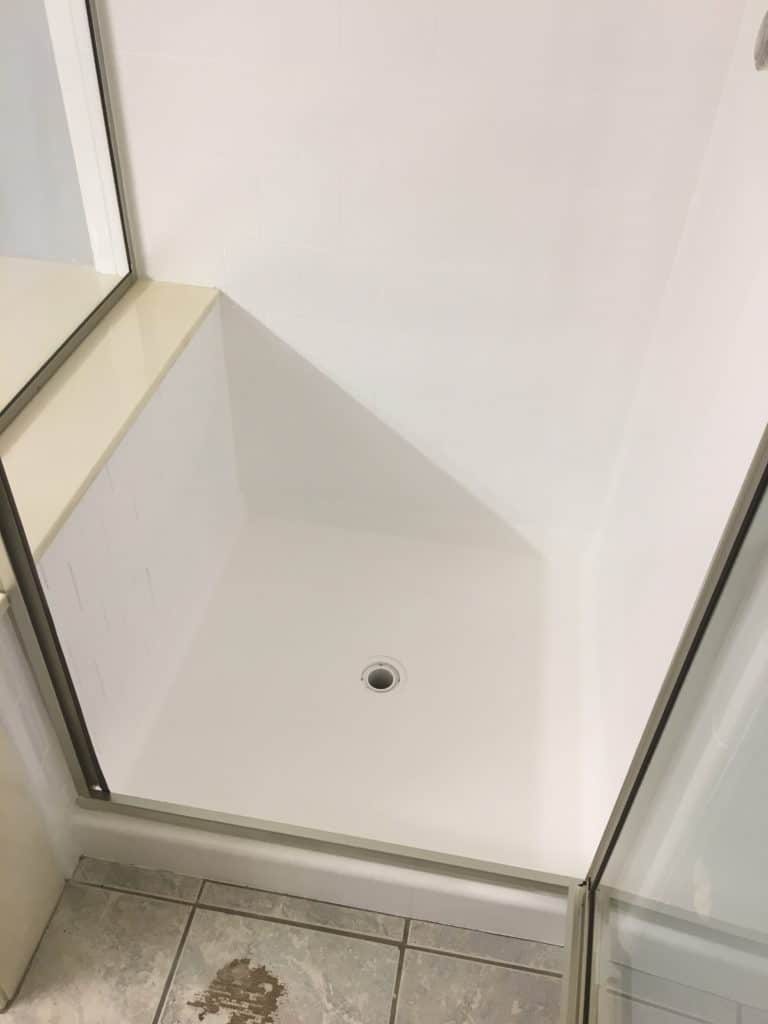
The shower pan forms the bottom layer of the shower system. It sits directly above the subfloor and creates a waterproof barrier that prevents water from leaking into the bathroom structure. This protective base works with the visible shower surface and surrounding features, including tile finishes and custom glass shower surrounds, to keep water contained within the shower area.
Even when a shower has tile flooring, the pan underneath still performs the waterproofing job. The tile itself is not completely waterproof, so the pan is responsible for directing water toward the drain.
Without this layer, water could slowly seep into the materials beneath the shower.
Key functions of a shower pan include:
- Creating a waterproof barrier beneath the shower floor
- Guiding water toward the drain system
- Protecting the subfloor from long-term moisture exposure
The Shower Pan Helps Prevent Hidden Water Damage
One of the most important jobs of the shower pan is preventing hidden moisture problems inside the bathroom structure. Every time a shower is used, water flows across the floor and toward the drain. The pan collects this water and channels it away safely. In some situations, bathroom refinishing may help restore worn shower surfaces and address early deterioration before moisture begins affecting deeper layers.
If the pan becomes damaged, water may begin to escape beneath the shower floor. Over time, this moisture can spread through nearby materials.
Possible damage from a failing shower pan may include:
- Weakened bathroom subflooring
- Water stains on nearby ceilings or walls
- Mold growth in hidden areas
Shower Pans Are Designed With a Built-In Slope
Most shower pans are installed with a gentle slope toward the drain. This design helps ensure water flows naturally toward the drain instead of collecting in one area. Proper shower construction includes a sloped base that guides water toward the drain, and understanding how shower pans are designed to direct water flow can help homeowners see why the slope is critical for preventing standing water.
If the slope changes due to structural movement or aging materials, water may begin to pool on the shower floor.
When water remains on the surface for long periods, it increases the risk of:
- Grout deterioration
- Tile damage
- Moisture reaching deeper layers of the shower
Maintaining the correct slope helps keep water moving in the right direction and protects the entire shower system.
Several Materials Are Used to Build Shower Pans
Shower pans can be made from different materials depending on the design of the bathroom.
Each material offers different advantages in terms of durability, appearance, and maintenance. Bathroom design improvements often focus on safer and more durable shower systems, and reviewing shower upgrades that support safer bathroom design can help homeowners understand how modern shower construction improves long-term usability.
Common shower pan materials include:
- Fiberglass – lightweight and commonly used in many homes
- Acrylic – durable and resistant to cracking when properly maintained
- Cultured marble – often used in custom bathroom installations
- Tile with waterproof liner systems – common in traditional tile showers
The material used in the shower pan can influence how long the system lasts and how it should be maintained.
Shower Pans Work Together With the Drain System
The shower pan is closely connected to the drain assembly beneath the shower. Water flows across the pan and enters the drain through a sealed connection. If this connection becomes loose or damaged, water may begin leaking below the shower.
A properly installed shower pan includes a waterproof seal around the drain that prevents water from escaping. Homeowners may notice problems if this seal weakens over time.
Possible warning signs of drain-related issues include:
- Moisture near the drain opening
- Slow drainage that leads to standing water
- Small cracks forming around the drain area
Regular inspections can help identify these problems before they cause significant damage.
Proper Installation Is Critical for Long-Term Performance
Even a high-quality shower pan can fail if it is not installed correctly. During installation, professionals must ensure that the pan sits securely on the floor and that the waterproof layers beneath the tile are sealed properly.
Common installation mistakes may include:
- Incorrect slope toward the drain
- Poor waterproof sealing
- Weak support beneath the pan
If you want to know when early warning signs may point to a more serious problem, reading When Should You Replace a Shower Pan Before Major Damage can help explain when replacement becomes the safest way to protect your bathroom from hidden water damage.
Shower Pans Protect the Structural Parts of Your Home
One of the most important roles of the shower pan is protecting the structural components beneath the bathroom.
Water that escapes beneath the shower can affect materials such as:
- Wooden subfloors
- Floor joists
- Drywall ceilings in lower rooms
Routine Inspections Help Extend the Life of the Shower Pan
Although shower pans are designed to last many years, routine inspections can help homeowners identify problems early.
Small issues like cracks or minor drainage problems can sometimes be addressed before they lead to more serious damage.
Homeowners can periodically check for:
- Visible cracks in the shower floor
- Changes in how water drains
- Moisture appearing outside the shower base
If you want to better understand what can shorten the lifespan of a shower system, reading Why Shower Pans Fail and What Causes Hidden Water Damage can help explain the conditions that often lead to early deterioration.
Understanding the Role of the Shower Pan in Your Bathroom
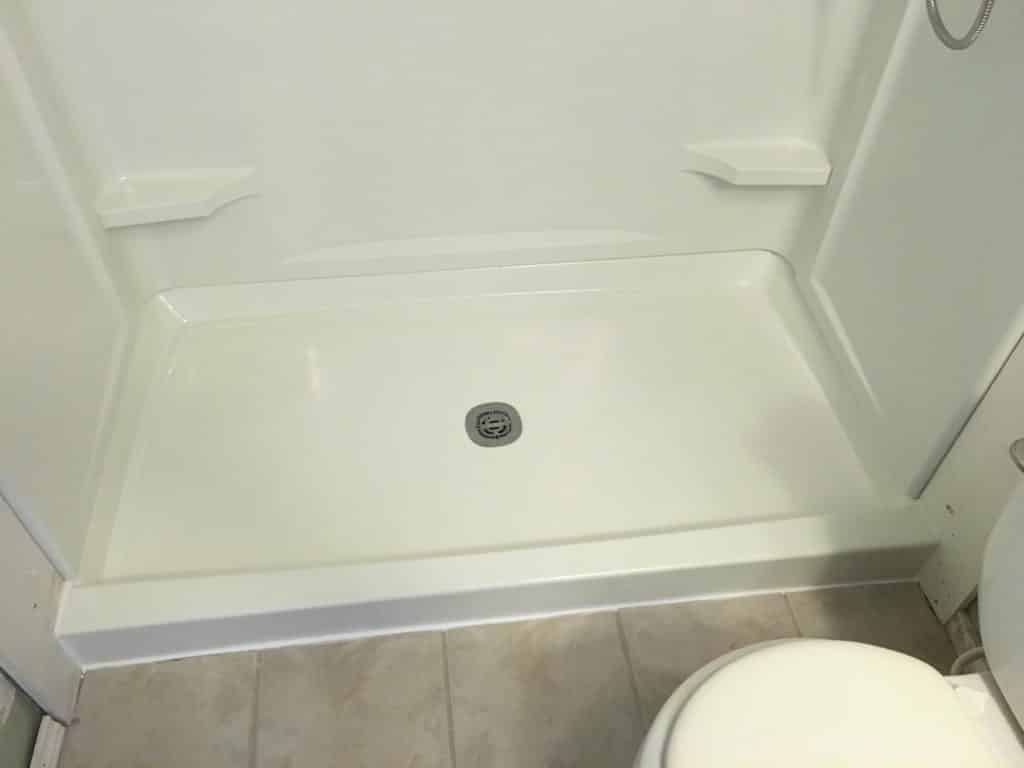
Although it remains hidden beneath the shower floor, the shower pan is one of the most important layers protecting your bathroom from long-term moisture problems. It forms a sealed base that channels water into the drain while shielding the subfloor and surrounding structure from exposure. When homeowners understand how this protective layer works, it becomes easier to recognize early warning signs and take action before moisture issues lead to costly structural damage.
Fort Worth Refinishing provides professional evaluations to determine whether your shower pan is still protecting your bathroom effectively. Our experienced team can assess the condition of your shower base, identify potential moisture concerns, and recommend the safest solution to restore the performance of your shower system. Contact us today or give us a call to schedule an inspection and help protect your bathroom from hidden water damage.
Frequently Asked Questions
Can tile alone waterproof a shower floor?
No. Tile and grout are not completely waterproof. A waterproof pan or liner beneath the tile is required to protect the structure below the shower.
How long do shower pans usually last?
Most shower pans last between 15 and 20 years, depending on the materials used and how frequently the shower is used.
Can a shower pan be replaced without removing the entire shower?
In many cases, parts of the shower floor or surrounding tile must be removed in order to access and replace the pan properly.
Do shower pans require maintenance?
Shower pans themselves require very little maintenance, but keeping the shower floor clean and monitoring for cracks can help prevent early damage.
What happens if a shower pan is damaged?
If the pan becomes cracked or separated, water may leak beneath the shower floor and damage the surrounding structure.
Are fiberglass shower pans durable?
Fiberglass pans are widely used and can be durable, but they may eventually develop cracks if subjected to heavy pressure or age-related wear.
Can a leaking shower pan cause mold?
Yes. Moisture trapped beneath the shower floor can create conditions where mold begins to grow in hidden areas.
Do older homes have different types of shower pans?
Older homes may have traditional liner systems beneath tile showers, while newer installations may use prefabricated bases or modern waterproof membranes.
How do professionals determine if a shower pan is failing?
Professionals typically inspect the shower floor, drainage area, and surrounding materials to identify signs of moisture damage or structural weakness.


