
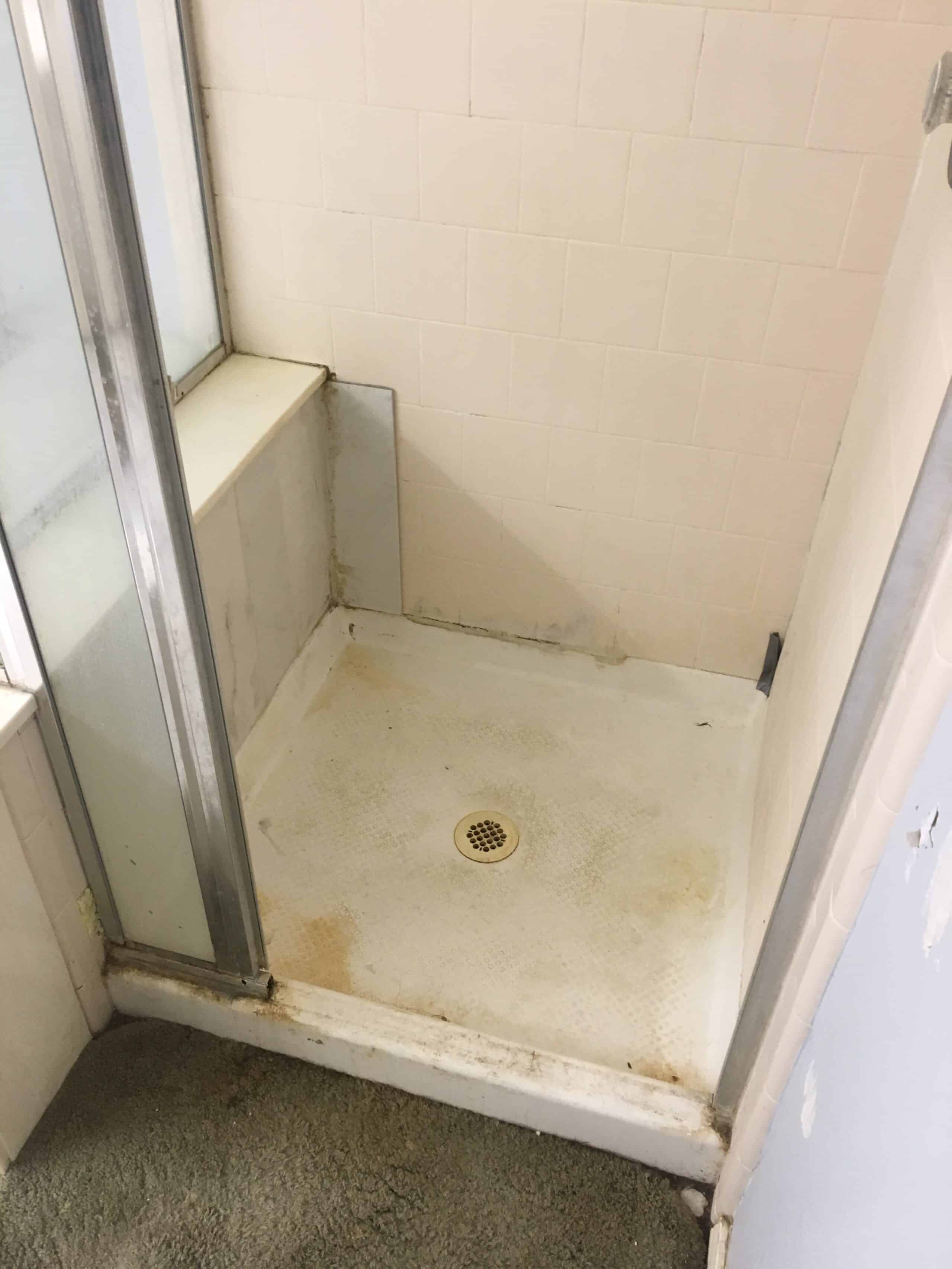
A shower may appear perfectly fine on the surface, but problems can develop beneath the floor over time. The shower pan is designed to contain water and direct it safely to the drain, but when this system begins to break down, moisture can slowly escape into nearby materials. In some situations, shower refinishing may help restore worn surfaces and address minor deterioration before it progresses into more serious structural damage.
Many homeowners do not realize a shower pan has failed until they see damage in other parts of the bathroom or even in rooms below. Hidden moisture can weaken flooring, damage drywall, and create conditions where mold begins to grow. Understanding why shower pans fail can help homeowners spot early warning signs and prevent more serious structural issues.
Why Shower Pan Failures Often Go Unnoticed
Many homeowners are surprised to learn that shower pan problems can develop quietly over time. Because the pan sits beneath the visible shower floor, small issues may remain hidden for months or even years before any damage becomes visible.
When water escapes beneath the shower base, it often spreads slowly through nearby materials such as subfloors, wall framing, or insulation. This hidden moisture can travel through these structures before it finally appears as stains, odors, or soft flooring.
For this reason, understanding the common causes of shower pan failure can help homeowners recognize early warning signs and prevent more serious water damage in the future.
If you want to understand the role of the pan itself, you can explore What Is a Shower Pan and Why Does It Matter for Your Bathroom, which explains how this system protects the shower structure.
Aging Materials Can Break Down Over Time
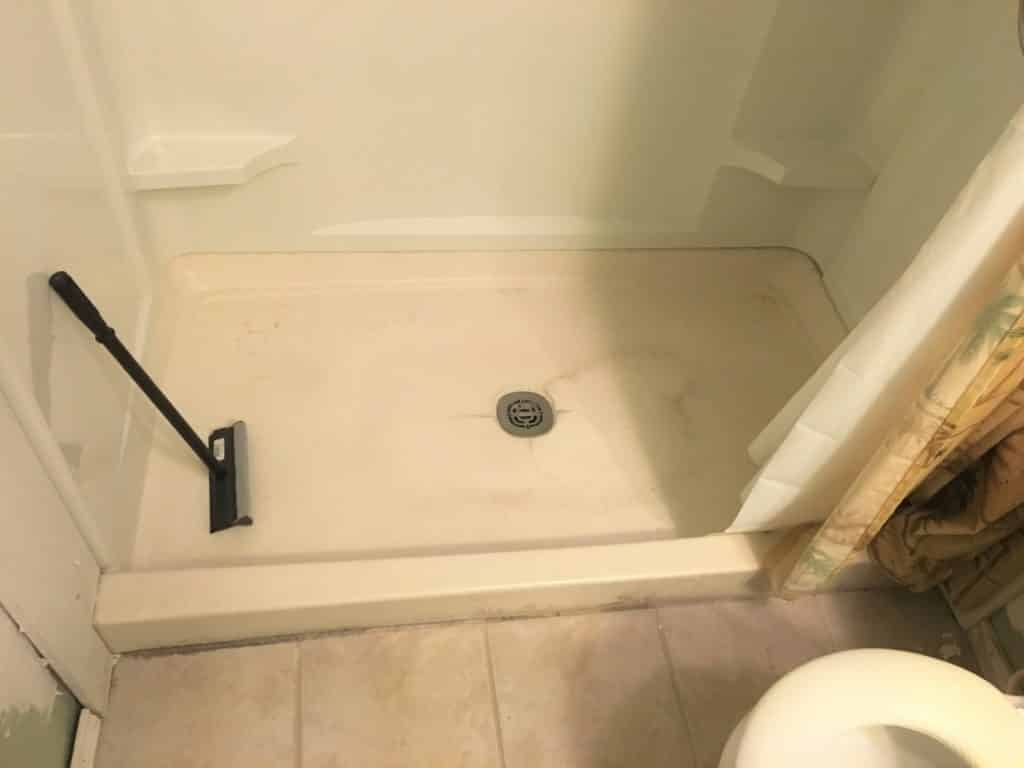
Like many parts of a home, shower components experience wear after years of daily use. Over time, the materials that form the waterproof barrier beneath the shower floor can begin to weaken.
Older shower pans may lose flexibility, making them more likely to crack or separate from surrounding materials.
Age-related problems may include:
- Weakened waterproof liners
- Small fractures in fiberglass or acrylic bases
- Deterioration of protective coatings
Many shower systems begin showing signs of wear after 15 to 20 years of use, especially in high-traffic bathrooms.
Tip:
If your bathroom is older, periodic inspections can help identify aging materials before leaks develop.
Poor Installation Can Lead to Early Failure
One of the most common reasons shower pans fail is improper installation. If the base is not installed correctly, water may not drain properly, or the waterproof barrier may not be sealed correctly.
Even small installation mistakes can eventually allow water to escape beneath the shower.
Common installation issues include:
- Incorrect slope toward the drain
- Weak support beneath the pan
- Gaps in the waterproof liner
Professional installation helps ensure the pan functions as intended and protects the bathroom for many years.
Small Cracks Can Allow Water to Escape
Cracks are one of the most common causes of shower pan leaks. These cracks may develop from repeated pressure, temperature changes, or aging materials.
Once a crack forms, water can slowly pass through the opening and reach the layers beneath the shower floor.
This moisture may remain hidden for a long time before visible damage appears.
Cracks may appear as:
- Hairline fractures in fiberglass bases
- Cracked grout or tile surfaces
- Damage forming near the drain opening
If these cracks continue to expand, water damage can spread to surrounding structures.
Drain Seal Problems Can Create Hidden Leaks
The drain connection is one of the most important sealing points in the shower system. The shower pan must form a tight, waterproof seal around the drain assembly.
If this seal weakens or separates, water may begin leaking beneath the shower floor. Water leaks often begin at sealing points within bathroom plumbing systems, and understanding how bathroom plumbing seals are inspected for hidden leaks can help explain why professionals closely examine these areas during inspections.
Drain-related problems often develop slowly and may go unnoticed at first.
Possible drain seal issues include:
- Moisture around the drain area
- Slow drainage despite a clear pipe
- Hairline cracks near the drain opening
Regular inspections of the drain area can help detect early signs of failure.
Structural Movement Can Damage the Shower Base
Homes naturally experience small amounts of structural movement over time. Floors may shift slightly due to temperature changes, foundation movement, or normal settling. When this happens, the shower pan may experience stress that leads to cracks or separation. In bathrooms that include custom glass shower surrounds, even minor shifts in the shower base can sometimes become noticeable where the glass enclosure meets the shower floor or walls.
Even small shifts can affect the slope of the shower floor and allow water to collect instead of draining properly.
Structural stress may cause:
- Uneven shower flooring
- Small cracks along the corners of the base
- Separation between the pan and the surrounding surfaces
Monitoring these changes can help homeowners detect early signs of damage.
Standing Water Can Gradually Weaken the Pan
Water that remains on the shower floor for long periods can slowly weaken the surface materials. Although shower pans are designed to handle water exposure, constant pooling may increase wear on the protective layers.
Standing water may develop when the slope of the pan changes or when small cracks allow moisture beneath the surface.
Standing water can contribute to:
- Deterioration of grout lines
- Weakening of protective coatings
- Moisture buildup beneath the shower floor
Keeping the shower floor dry between uses can help reduce these risks.
If you want to understand when ongoing shower pan problems may point to the need for replacement, reading When Should You Replace a Shower Pan Before Major Damage can help explain when early warning signs should no longer be ignored
Heavy Impact or Excessive Pressure Can Damage the Pan
Although shower pans are designed to be durable, heavy pressure or sudden impact can cause damage. Dropping heavy objects in the shower or applying concentrated weight in one area may lead to cracks in certain materials.
Fiberglass bases are particularly vulnerable to this type of stress.
Pressure-related damage may result in:
- Visible cracks in the base
- Weakened areas in the floor
- Gradual expansion of existing fractures
Using caution when placing heavy items in the shower can help reduce this risk.
Hidden Moisture Can Spread Before You Notice It
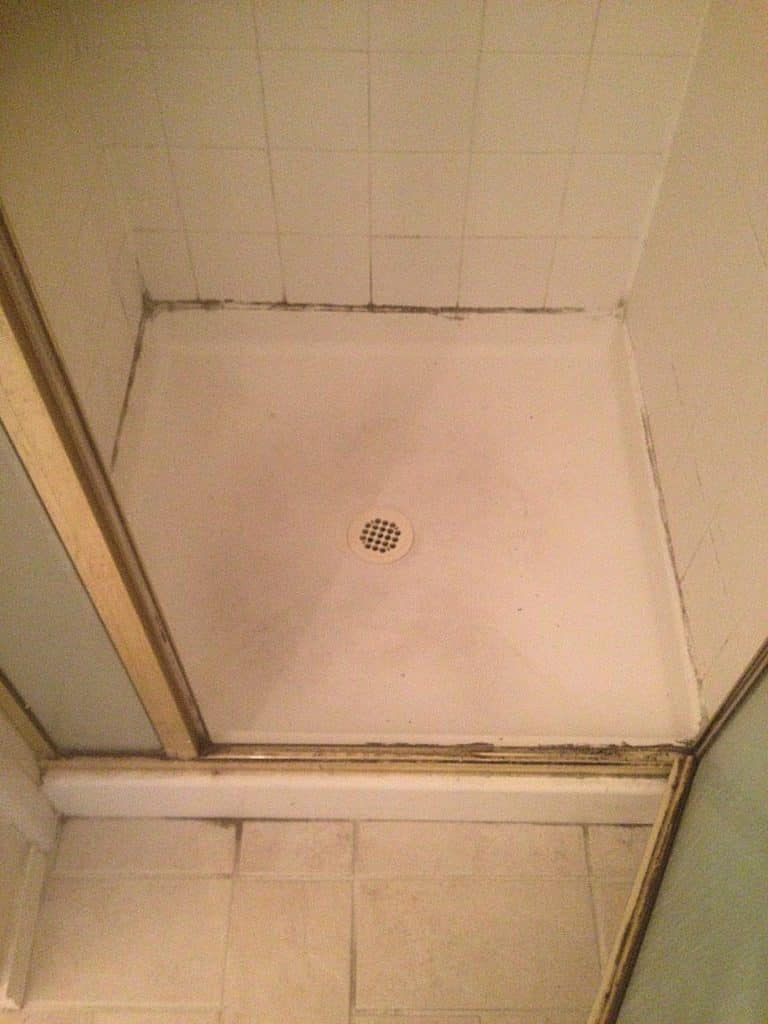
One of the biggest problems with shower pan failure is that water damage often develops out of sight. When water leaks beneath the shower floor, it can travel through nearby materials before appearing in visible areas of the home. In some situations, bathroom refinishing may help restore worn shower surfaces and address minor deterioration before moisture begins spreading into deeper structural layers.
This is why homeowners sometimes first notice the issue in rooms below the bathroom.
Hidden water damage can affect:
- Wooden subfloors
- Drywall ceilings
- Nearby wall structures
When water remains trapped inside building materials, it can travel through porous surfaces and create long-term moisture problems, which is why learning how moisture spreads through walls and flooring materials helps homeowners understand the risks of hidden leaks.
If you are concerned that your shower may already be showing signs of failure, read How Do You Know If Your Shower Pan Needs To Be Replaced? to explain the warning signs homeowners should watch for.
Preventing Shower Pan Problems Before They Start
Shower pan failures often begin with small issues that go unnoticed. Understanding the causes of these problems allows homeowners to take preventive steps that protect their bathrooms from water damage. Simple habits such as monitoring drainage, inspecting the shower floor for cracks, and addressing unusual moisture quickly can help extend the life of the shower system.
Fort Worth Refinishing helps homeowners in Arlington, TX, evaluate shower pan concerns before they develop into more serious problems. Homeowners who notice unusual moisture, cracks, or drainage changes often choose to have the shower inspected early to prevent further damage. A professional evaluation can determine whether the pan can be restored through refinishing or if replacement is the safest option. Contact us today or give us a call to schedule an inspection and help protect your bathroom from hidden water damage.
Frequently Asked Questions
Why do older shower pans start leaking?
Materials used in older installations may weaken after years of exposure to water and temperature changes.
Can heavy use cause a shower pan to wear out faster?
Yes. Bathrooms used multiple times per day may experience faster wear in the waterproof layers.
Do shower pans fail suddenly or gradually?
Most shower pan problems develop gradually, beginning with small cracks or seal problems that worsen over time.
Is water damage from a shower pan easy to detect?
Not always. Water may remain hidden beneath the shower floor for months before visible damage appears.
Can structural movement affect the shower pan?
Yes. Small shifts in flooring or foundation movement can place stress on the shower base.
Does standing water damage the shower pan?
Standing water may weaken surface coatings and increase the likelihood of cracks forming over time.
Are fiberglass shower pans more likely to crack?
Fiberglass bases can develop cracks if subjected to heavy pressure or sudden impact.
Can an improper slope cause shower pan issues?
Yes. If the pan is not sloped properly toward the drain, water may collect and increase wear on the base.
Should homeowners inspect the shower floor regularly?
Periodic visual inspections of the shower base can help identify cracks or drainage problems early.


