
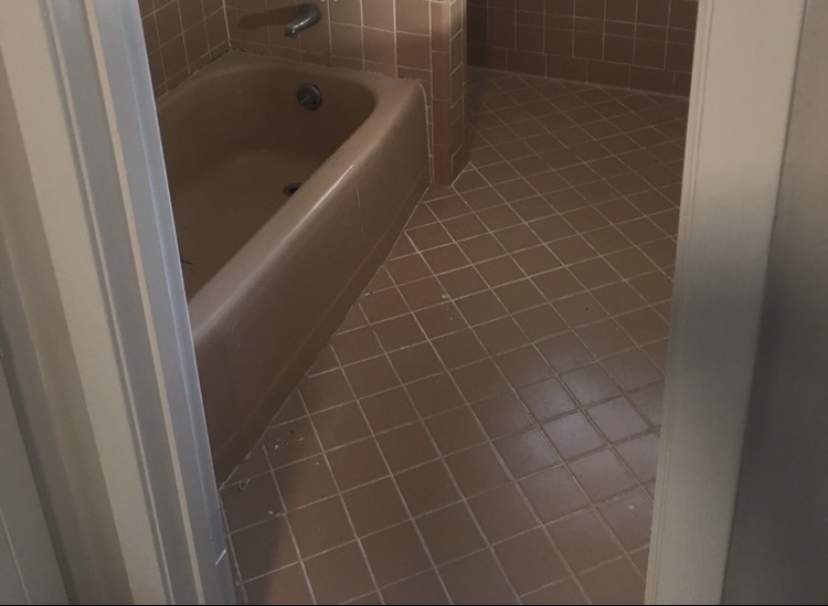
If you are remodeling your bathroom, choosing the right shower floor tile is one of the biggest decisions you will make. The short answer is that porcelain and ceramic shower floor tile are usually the safest and most durable options for most bathrooms, but the best choice really depends on your budget, your layout, and how much grip you want underfoot. Water, soap, and daily use put more stress on a shower floor than almost any other surface in the home, so it pays to slow down and compare your options before committing to one material and one installer.
This guide breaks down the top shower floor tile options, from ceramic and porcelain to natural stone and mosaic styles, so you can decide what works best for your space. It also covers grout, waterproofing, ceramic tile refinishing, and a few simple maintenance tips that will help your new floor last for years. Whether you are updating an older bathroom or planning a full renovation, understanding how each tile type performs in a wet environment will help you avoid a costly do-over later.
Why Slip Resistance Matters for Your Shower Floor Tile
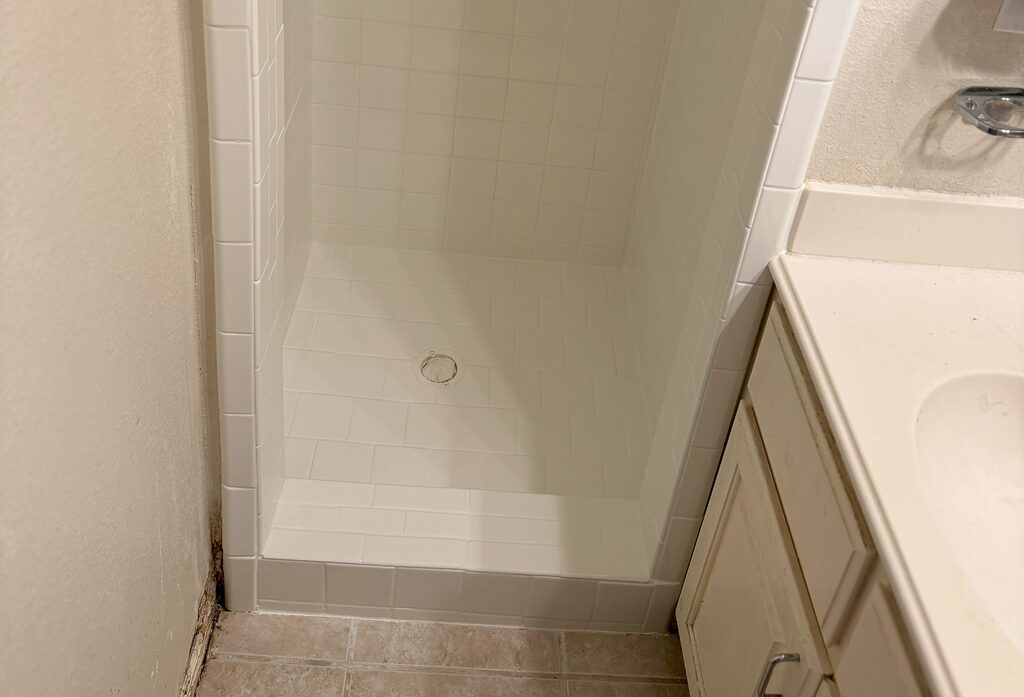
Slip resistance is one of the first things to check before choosing shower floor tiles. Water and soap create a slick surface, so texture and tile size play a big role in keeping your bathroom safe. Smaller tiles with more grout lines usually offer better grip than large, glossy tiles, and this small detail can make a real difference for households with kids or older adults. If your current floor already has a solid base, shower refinishing is another way to improve traction without a full tile replacement.
Textured Porcelain Tile For Better Grip
- Textured porcelain tile has a slightly rough surface that improves traction underfoot.
- It resists water absorption, which makes it a strong choice for wet areas like shower floors.
- Many textured styles mimic stone or wood, so you get a natural look without losing safety.
- It holds up well over time and does not wear smooth as quickly as some other materials.
Small-Format Mosaic Tile Options
- Mosaic tile, often one to two inches per piece, creates more grout lines for extra grip.
- It works well on curved or sloped shower floors, since smaller pieces bend around drains easily.
- Glass and stone mosaic blends add visual interest without sacrificing traction.
- It is a common choice for homeowners who want a custom, spa-like feel.
If safety is your main concern, our guide on What Makes Bathroom Shower Floor Tile Safe? takes a closer look at slip ratings and texture choices in more detail.
Top Ceramic and Porcelain Shower Floor Tile Choices
Ceramic and porcelain remain two of the most popular shower floor tile materials, and for good reason. Both are water-resistant, budget-friendly compared to natural stone, and available in a wide range of styles, colors, and textures. The main difference comes down to density and how each performs over time, which matters most in a space that stays wet on a daily basis.
Ceramic Shower Floor Tile Benefits
- Ceramic shower floor tile is easy to inspect and maintain, since it does not stain as easily as some porous materials.
- It comes in a wide variety of colors, patterns, and finishes to match any bathroom style.
- It is generally more affordable than porcelain or natural stone options.
- It performs well in smaller bathrooms where budget matters most.
Porcelain Tile Advantages for Arlington Bathrooms
- Porcelain tile is denser than ceramic, which means it absorbs less water over time.
- It holds up well in North Texas homes, where humidity and hard water can wear down softer materials faster.
- It resists cracking and chipping better than many other tile types.
- It is a durable option for busy households in Arlington, TX that want long-term performance.
Natural Stone and Specialty Tile Options
Natural stone and specialty tile bring a higher-end look to a bathroom, but they come with a few extra considerations. These materials often need more sealing and care than ceramic or porcelain, so it helps to know what you are working with before you decide on a full shower renovation.
Slate and Travertine Tile Features
- Slate has a naturally textured surface, which gives it good traction for shower floors.
- Travertine offers a soft, earthy look but is more porous, so it needs regular sealing to resist water damage.
- Both materials add a unique, high-end feel that manufactured tile cannot fully copy.
- Natural stone can require more upkeep than ceramic or porcelain over time.
Glass and Pebble Tile Accents
- Pebble tile gives a spa-like texture underfoot and works well as a full floor or an accent strip.
- Glass tile adds shine and color, though it is often paired with a textured tile for better grip.
- Both options are popular for walk-in or curbless shower designs.
- They can be combined with ceramic or porcelain for a custom, layered look.
Our article, Why Ceramic Shower Floor Tile Resists Water Damage, explains more about how this material holds up compared to other options over time.
How Grout and Waterproofing Affect Tile Performance
The tile itself is only part of the equation. Grout lines and the waterproofing underneath the tile play a major role in how well a shower floor performs and how long it lasts, and this step is often overlooked by homeowners who focus only on the tile design instead of what happens beneath the surface.
Grout Line Size and Sealing Tips
- Smaller grout lines with more texture generally improve traction on a shower floor.
- Sealing grout regularly helps prevent water and soap buildup from breaking it down.
- Epoxy grout resists stains and moisture better than standard cement-based grout.
- Grout should be inspected once or twice a year for cracks or gaps.
Waterproofing Layers Beneath the Tile
- A proper waterproofing membrane should be installed underneath any shower floor tile, no exceptions.
- Waterproofing prevents moisture from seeping into the subfloor, which can lead to costly damage later.
- The slope of the shower floor also matters, since water needs a clear path to the drain.
- A professional installer will check this layer carefully before any tile goes down.
Manufacturers that follow ANSI's ceramic tile standard are held to consistent benchmarks for water absorption and durability, which is worth checking when comparing shower floor tile brands.
Cost Factors and Maintenance Tips for Shower Floor Tile
Cost is often top of mind for bathroom renovations, but it depends heavily on material, size, and labor. Rather than focusing on exact numbers, it helps to understand what actually drives the price up or down, since two bathrooms of the same size can end up with very different final costs.
What Affects the Cost of Shower Floor Tile
- Material type plays a big role, since natural stone typically costs more than ceramic or porcelain.
- Tile size and pattern complexity can affect labor time and overall cost.
- Waterproofing and subfloor repairs, if needed, will also affect the total project cost.
- Overall cost may vary quite a bit depending on the scope of your bathroom renovation.
Simple Ways to Maintain Your Bathroom Floor Tile
- Inspect grout lines every few months for cracks, gaps, or discoloration.
- Clean tile regularly with a gentle cleaner to avoid buildup from soap and hard water.
- Reseal natural stone or porous tile as needed to protect against water damage.
- Address small grout issues early to avoid bigger repairs down the road.
If your current floor is showing signs of wear, our guide on When To Replace Your Bathroom Floor Tile can help you decide whether it is time for an upgrade.
Matching Tile Finish and Color to Your Bathroom Style
Beyond safety and durability, the finish and color of your shower floor tile also affect how the whole bathroom feels. A small, dark bathroom will read very differently with a light matte finish than it will with a dark glossy one, so it helps to think about the room as a whole before you finalize a choice.
Matte Versus Glossy Finishes
- Matte finishes tend to hide water spots and soap scum better than glossy finishes.
- Glossy tile reflects more light, which can make a small bathroom feel larger.
- Matte tile generally offers more traction than glossy tile, which matters most on a shower floor.
- A mix of both finishes, such as glossy walls with matte flooring, is a popular design choice.
Coordinating Color With the Rest of the Bathroom
- Neutral tile colors, such as gray or beige, tend to age well and match future updates.
- Warm tones can make a bathroom feel cozier, while cool tones feel more modern.
- Consider the color of your vanity, fixtures, and walls before finalizing your shower floor tile.
- Sample tile in your actual bathroom lighting before making a final decision, since store lighting can be misleading.
If you want more inspiration before choosing a finish, Family Handyman's shower tile design ideas showcase how different colors and textures look in real bathrooms.
Taking a few extra days to compare finishes and colors in person, rather than rushing the decision online, often saves homeowners from a costly reselection later in the project.
Finding the Right Fit for Your Bathroom Floor
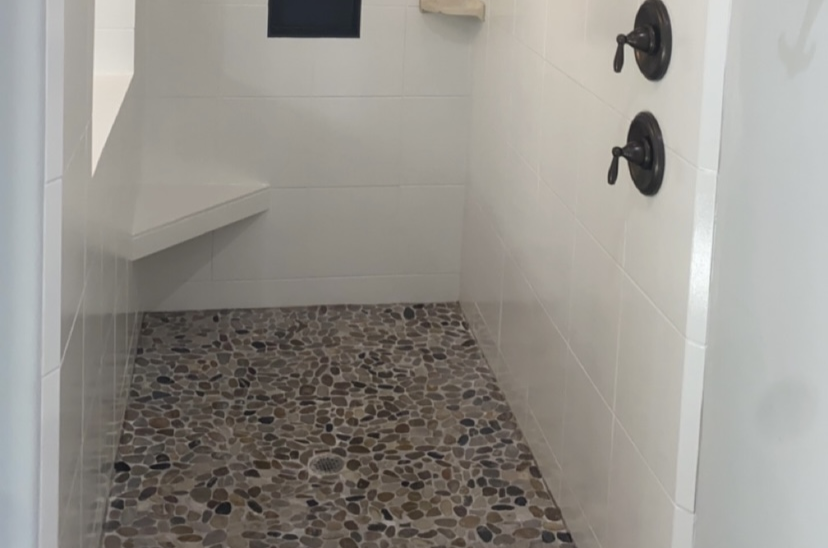
Choosing the best shower floor tile really comes down to balancing safety, style, and how much maintenance you are willing to take on. Ceramic and porcelain remain the most practical choices for most bathrooms, while natural stone and specialty tile offer a higher-end look for homeowners who want something unique. Whatever direction you choose, proper waterproofing and grout care will make the biggest difference in how long your new floor lasts, so it is worth getting that part right from the start.
If you are in the Arlington, TX area and ready to upgrade your bathroom, Fort Worth Refinishing can help you choose and install the shower floor tile that fits your home, your style, and your goals. Our team understands how North Texas weather and water conditions affect bathroom surfaces over time, and we walk every homeowner through their options before any work begins. Contact us today or give us a call to schedule a consultation.
Frequently Asked Questions
Is porcelain or ceramic better for a shower floor?
Porcelain is denser and more water-resistant, while ceramic is more affordable and easier to inspect for wear over time, so the right pick depends on your budget and priorities.
Can I use large tiles on a shower floor?
Large tiles can be used, but they often need extra texture or a slight slope adjustment to keep enough grip for safety on a wet surface.
Do I need special tile for a shower floor?
Yes, shower floor tile should have a slip-resistant texture and low water absorption, unlike tile made for walls or dry areas of the home.
What size tile is best for shower floors?
Smaller tiles, often two inches or less, are usually best since they create more grout lines and better traction underfoot.
Is natural stone tile good for a shower floor?
Natural stone can work well, but it usually needs more sealing and care than ceramic or porcelain to resist water damage over time.
How much grout should a shower floor tile have?
More grout lines generally improve safety, so smaller tile formats are often recommended over large, glossy tiles for shower floors.
Can I install shower floor tile myself?
It is possible, but waterproofing and slope require careful attention, so many homeowners choose a professional installer for this specific step.
What is the average cost of bathroom floor tile?
Cost varies widely based on material, size, and labor, so it is best to get a personalized quote based on your specific bathroom layout.
Does the type of tile affect maintenance?
Yes, porous materials like natural stone typically need more sealing and care than ceramic or porcelain shower floor tile going forward.