
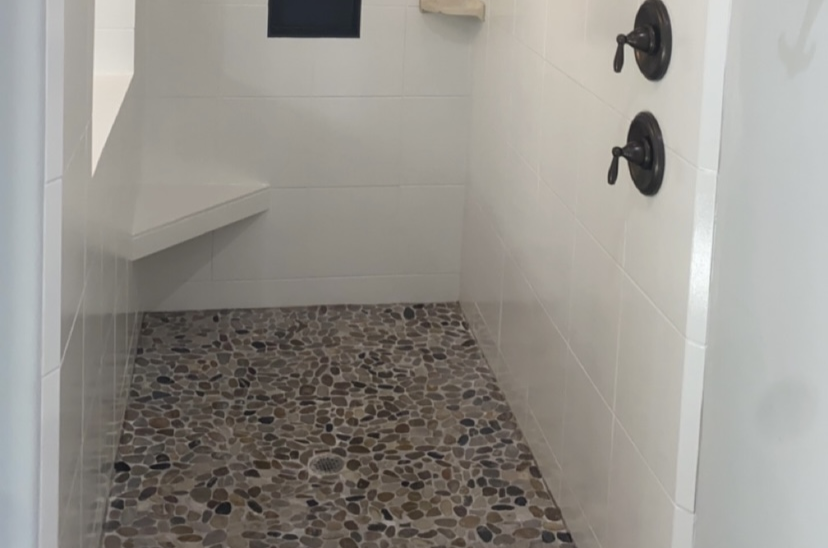
Ceramic shower floor tile holds up so well in wet spaces because of how it is made, not just because of where it is installed. The short answer is that ceramic tile goes through a firing and glazing process that creates a hard, low-absorption surface, which is exactly what a shower floor needs to stand up to daily water exposure. That said, ceramic tile is only part of the story. Grout, sealant, and the waterproofing layer underneath all work together with the tile to keep water from ever reaching your subfloor, and a weak point in any one of these layers can undo the benefit of a well-made tile.
This guide breaks down exactly why ceramic shower floor tile performs so well against water, what can cause it to fail early, and a few simple habits, including ceramic tile refinishing, that help it last for years. If you are trying to decide whether ceramic shower floor tile is the right fit for your bathroom, understanding how it actually resists water damage will help you make a more informed choice, rather than relying on marketing claims alone.
What Makes Ceramic Tile Naturally Water-Resistant
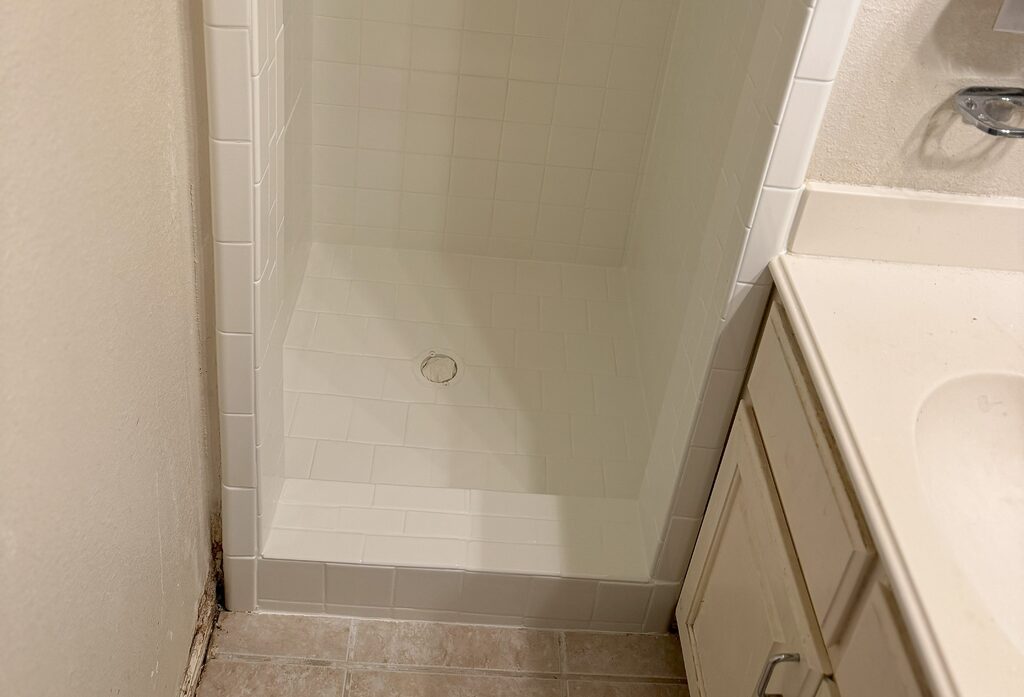
Ceramic tile starts as clay that is shaped, glazed, and then fired at a high temperature. This process is what gives ceramic shower floor tile its water-resistant surface, and it is worth understanding before comparing it to other materials on the market today. Even tile that already has this surface can sometimes benefit from shower refinishing rather than a full replacement, depending on its current condition.
The Role of the Glaze Layer
- The glaze creates a hard, glass-like coating on top of the clay body, which blocks most water from soaking into the tile itself.
- A quality glaze also resists staining from soap, shampoo, and hard water buildup over time, keeping the surface looking newer for longer.
- Glazed ceramic tile is easier to clean than unglazed tile, since the smooth surface does not trap grime as easily as a porous one.
- The thickness and quality of the glaze can vary between manufacturers, so it helps to check product specs and reviews before buying.
Why the Firing Process Matters
- Firing ceramic tile at high heat reduces its porosity, which limits how much water it can absorb.
- Lower porosity means less risk of water working its way into the tile body over time.
- This is part of why ceramic shower floor tile is considered more water-resistant than many natural stone options.
If you want a deeper comparison of tile materials, our guide on What Tile Is Best for a Shower Floor? covers ceramic alongside porcelain and natural stone options.
How Ceramic Shower Floor Tile Performs in Daily Use
A shower floor deals with water almost every single day, so it helps to know how ceramic tile actually performs under that kind of repeated exposure, not just in a lab setting where conditions are controlled and predictable.
Handling Everyday Moisture and Humidity
- Ceramic shower floor tile is designed to handle repeated wetting and drying without breaking down over months and years of regular use.
- It performs well in humid climates, including bathrooms in Arlington, TX that deal with warm, moist air for much of the year.
- Proper ventilation still matters, since trapped humidity can affect grout even when the tile itself resists water well on its surface.
- A bathroom fan or open window after showers helps the whole space dry faster and reduces long-term moisture stress on the grout and walls.
How Foot Traffic Affects Water Resistance Over Time
- Regular foot traffic can gradually wear down a glaze, especially in high-use bathrooms with multiple daily showers.
- Textured ceramic tile tends to hold up better under foot traffic than smooth, glossy finishes over the long run.
- Small cracks in the glaze from dropped items or heavy impact can create weak points where water seeps in.
- Choosing a slightly thicker or higher-grade ceramic tile can help it hold up longer under daily use and repeated exposure to moisture.
Common Signs Ceramic Tile Is Losing Its Water Resistance
Even a well-made ceramic shower floor tile will not resist water forever if the surface or the grout around it starts to break down. Knowing the early signs helps you catch a problem before it becomes a bigger, more expensive repair down the road.
Warning Signs to Check For
- Discolored or crumbling grout lines are often the first sign that water is getting where it should not.
- A musty smell near the shower floor can point to trapped moisture underneath the tile.
- Tiles that feel loose or shift slightly underfoot may mean the bond or waterproofing layer has failed.
- Visible cracks in the tile surface, even small ones, can allow water to reach the layers below.
If you are noticing any of these signs, our guide on When To Replace Your Bathroom Floor Tile can help you decide whether a repair or a full replacement makes more sense for your bathroom and your budget.
How Proper Installation Protects Ceramic Tile From Water Damage
Even the best ceramic shower floor tile will not resist water well if it is installed incorrectly. Installation quality affects performance just as much as the tile material itself, and this is a step that should never be rushed.
Waterproofing Membrane Basics
- A waterproofing membrane installed underneath the tile is what actually stops water from reaching the subfloor.
- Ceramic tile is not a standalone waterproofing layer, even though it resists water well on its own.
- The membrane should extend up the shower walls slightly, not just across the floor.
- Skipping or improperly installing this layer is one of the most common causes of water damage behind ceramic tile.
Ceramic tile that meets ANSI's ceramic tile standard has been tested for water absorption and durability, which supports the water-resistant performance discussed here.
Grout and Sealant Choices That Support Water Resistance
- Epoxy grout resists water and stains better than standard cement-based grout in wet areas like a shower floor.
- Sealing grout lines regularly helps maintain the water-resistant barrier around each tile and slows down future wear.
- Silicone caulk, rather than grout, should be used where the shower floor meets the wall or curb, since it flexes with the structure.
- Gaps or cracks in grout should be addressed early, since they are a direct path for water to reach the layers underneath and cause hidden damage.
Simple Ways to Maintain Ceramic Shower Floor Tile Over Time
A little regular care goes a long way toward helping ceramic shower floor tile keep resisting water the way it is designed to.
Everyday Maintenance Habits
- Wipe down the shower floor after use to reduce standing water and soap buildup.
- Clean grout lines every few months with a gentle, non-abrasive cleaner.
- Inspect tile and grout twice a year for early signs of cracking or discoloration.
- Reseal grout as needed, especially in high-use bathrooms, to keep the water-resistant barrier intact.
The EPA's mold and moisture guide explains how controlling humidity in a bathroom helps prevent the kind of trapped moisture that can undermine even water-resistant ceramic tile.
Water resistance is not the only factor worth considering for a shower floor. Traction matters just as much, especially for households with kids or older adults.
Our guide on What Makes Bathroom Shower Floor Tile Safe? covers slip resistance and texture in more detail.
Comparing Ceramic Tile Grades for Shower Floors
Not all ceramic tile is made the same way, and grade differences can affect how well a tile resists water and wear over time. Checking the grade before buying helps you avoid choosing a tile that is meant for lighter use than a shower floor requires.
Understanding Tile Grade Ratings
- Ceramic tile is often rated by grade, with higher grades built for more frequent use and moisture exposure than lower grades.
- A tile rated for wall use only may not hold up as well on a shower floor, even if it looks similar in the showroom.
- Manufacturer specifications usually list whether a tile is suitable for wet, high-traffic areas, so it helps to check before buying, especially for a family bathroom that sees heavy daily use.
- Checking the grade before purchase helps you avoid a costly mismatch between the tile and its intended use in your bathroom.
Why Grade Matters for Long-Term Performance
- Lower-grade tile may have a thinner glaze, which can wear down faster under daily foot traffic and water exposure than a higher grade.
- Higher-grade ceramic tile typically holds up better in bathrooms that see frequent use throughout the day, including multiple family members.
- Choosing the right grade upfront can reduce the chance of needing repairs or replacement sooner than expected, saving money over time.
- A technician or tile specialist can help confirm which grade fits your household's specific needs and usage patterns.
Getting the Most from Your Ceramic Shower Floor Tile
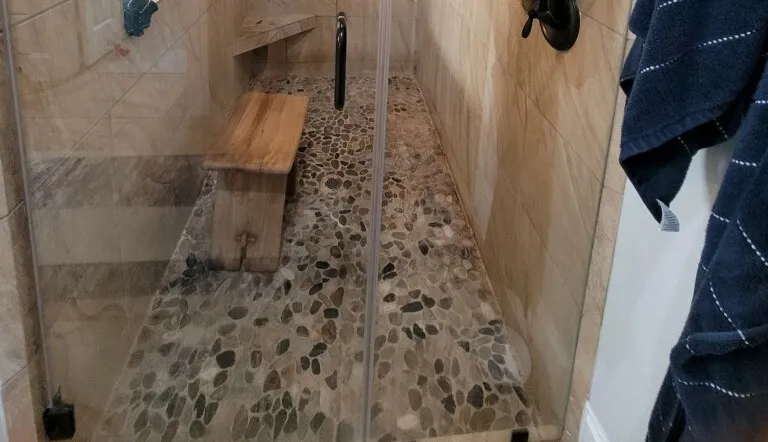
Ceramic shower floor tile earns its reputation for water resistance through a combination of a hard glaze, a low-absorption clay body, and proper installation underneath. When the grout, sealant, and waterproofing membrane are all done correctly, ceramic tile can handle years of daily use without letting water reach your subfloor. Paying attention to early warning signs, like crumbling grout or a musty smell, helps you address small issues before they turn into bigger repairs, and choosing the right grade of ceramic tile from the start makes an even bigger difference over the life of your bathroom.
If you are in the Arlington, TX area and want a professional opinion on your current shower floor or a new installation, Fort Worth Refinishing can walk you through your ceramic tile options and installation needs. Our team pays close attention to grout, sealant, and waterproofing details that many installers overlook, since these layers are what actually determine how long your shower floor will last. Contact us today or give us a call to schedule a consultation.
Frequently Asked Questions
Does ceramic tile absorb water over time?
Glazed ceramic tile absorbs very little water, though unglazed edges or damaged spots can allow some moisture in over time if left unaddressed.
Can ceramic shower floor tile crack from water damage?
Ceramic tile itself rarely cracks from water alone, but water damage to the subfloor or backing underneath can eventually cause tiles to shift or crack.
Is ceramic tile waterproof on its own?
No, ceramic tile is water-resistant but not fully waterproof, which is why a separate waterproofing membrane is required underneath it during installation.
Does grout affect a ceramic tile's water resistance?
Yes, damaged or unsealed grout is one of the most common ways water reaches the layers beneath ceramic shower floor tile over time.
How long does ceramic shower floor tile last?
With proper installation and regular care, ceramic shower floor tile can last well over a decade in most bathrooms, including high-use households.
Can water get under ceramic tile?
Water can get under ceramic tile through cracked grout, damaged sealant, or a failed waterproofing membrane beneath the tile itself.
Does ceramic tile need a sealant for water resistance?
The tile itself typically does not need sealant, but the grout around it usually does to maintain full water resistance over the years.
What causes ceramic tile to lose its water resistance?
Cracked grout, damaged glaze, and a failed waterproofing membrane are the most common causes of reduced water resistance over time.
Is ceramic tile a good choice for humid climates like Arlington, TX?
Yes, ceramic shower floor tile performs well in humid climates as long as the bathroom has adequate ventilation and proper installation from the start.