
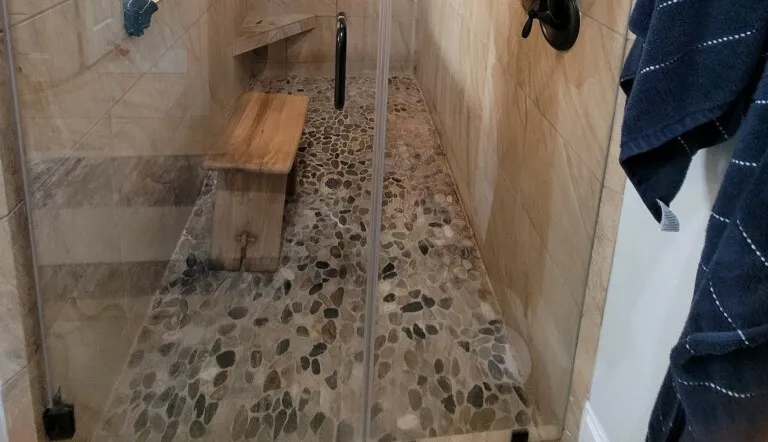
Bathroom shower floor tile becomes safe through a combination of factors working together, not just one feature alone. The short answer is that slip resistance rating, tile size, surface texture, and proper drainage all play a role in how secure a shower floor feels underfoot. A tile that looks great in a showroom can still be a poor fit for a shower if it lacks the right texture or slope, so it helps to know what to check before you decide, rather than choosing based on appearance alone.
This guide walks through exactly what makes bathroom shower floor tile safe, from slip ratings and tile size to grout lines, drainage design, and options like ceramic tile refinishing for existing floors. Whether you are remodeling a bathroom for young kids, older family members, or simply want more peace of mind, understanding these factors will help you choose a shower floor that holds up in real, everyday use, not just in a showroom display.
What Slip Resistance Rating Means for Shower Floor Tile
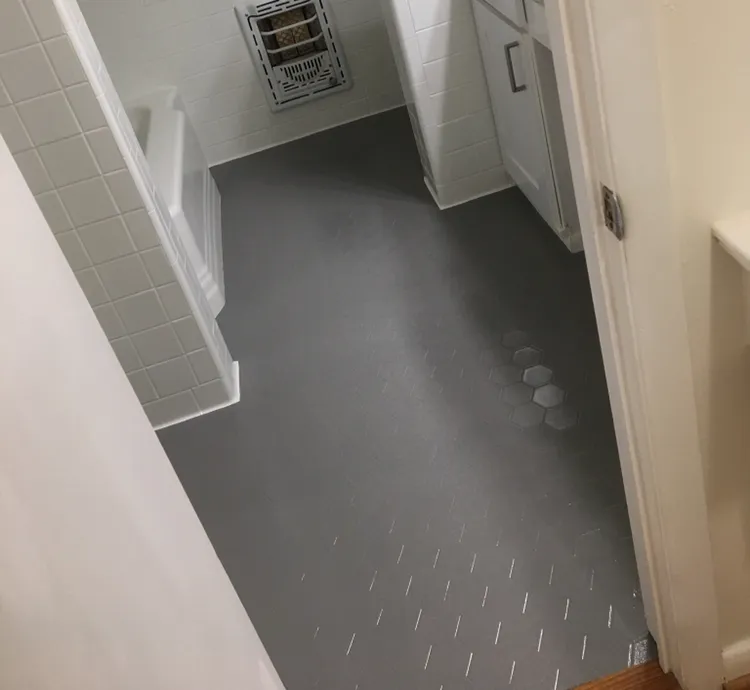
Slip resistance rating is one of the most important factors to check before choosing bathroom shower floor tile, yet it is often overlooked in favor of color and style alone, especially by homeowners shopping in person. If your current floor already has a solid slip rating, shower refinishing may be enough to restore its grip without a full replacement.
Understanding the Coefficient of Friction Rating
- Tile is often tested and rated using a coefficient of friction, or COF, which measures how much grip a surface provides when wet or dry.
- A higher COF rating generally means better traction, which matters most in a shower where water is present almost constantly throughout the day.
- Manufacturers usually list this rating on product packaging or specification sheets, so it is worth checking before purchase rather than after installation.
For a broader look at how different tile materials compare overall, our guide on What Tile Is Best for a Shower Floor? breaks down ceramic, porcelain, and natural stone side by side.
Why This Rating Matters When Choosing Tile
- A shower floor with a low slip resistance rating can feel dangerously slick, even when it appears dry.
- Households with young kids or older adults benefit the most from prioritizing a higher slip resistance rating.
- Some tiles designed for walls or dry areas may have a low rating, since they were never intended for wet flooring.
- Checking this rating before installation is far easier than trying to fix a slippery floor after the fact.
What Tile Size and Shape Do for Bathroom Floor Safety
Tile size and shape affect safety more than most homeowners realize, since both influence how much grip a shower floor actually provides once water and soap enter the picture.
Benefits of Smaller Tile Formats
- Smaller tiles, often two inches or less, naturally create more grout lines across the shower floor and more texture underfoot.
- More grout lines mean more texture for your feet to grip, especially when the floor is wet and covered in soap residue.
- Smaller formats also bend more easily around curves and slopes, which matters for proper drainage design near the drain.
- Mosaic and small-format tile are common choices for curbless or walk-in shower designs for this reason, among others.
How Grout Lines Improve Traction
- Grout lines act like tiny grooves that break up an otherwise smooth surface, adding traction underfoot with every step.
- Wider grout lines can offer slightly more grip, though they may require more upkeep and cleaning over time.
- Recessed or textured grout lines can further improve traction in high-risk areas of the shower floor.
- Keeping grout lines clean and intact helps maintain their safety benefit over the full life of the floor.
What Textures and Finishes Improve Safety
Beyond size, the surface texture and finish of bathroom shower floor tile directly affect how safe it feels, especially once soap and water enter the picture, and the floor starts to feel different underfoot.
Textured Surfaces Versus Glossy Finishes
- Textured or matte tile finishes generally provide better grip than smooth, glossy finishes.
- Glossy tile may look sleek, but it tends to become more slippery once wet, especially with soap residue.
- Some manufacturers offer the same tile design in both matte and glossy finishes, so you can match style with safety.
- Choosing a textured finish for the floor while using a glossier finish on the walls is a popular compromise.
Specialty Non-Slip Coatings and Treatments
- Some ceramic and porcelain tile can be treated with a non-slip coating after installation for extra grip.
- These coatings are often used on existing tile that has become slippery over time, rather than on brand-new installations.
- Coatings should be reapplied periodically, since their effectiveness can wear down with regular cleaning and use.
- Material choice still matters even with a coating, since some surfaces hold a treatment better than others.
Our guide on Why Ceramic Shower Floor Tile Resists Water Damage covers how ceramic specifically holds up over time.
What Additional Safety Features Help Prevent Falls
Tile is only one part of a safe shower floor. A few additional design choices can further reduce the risk of a fall, especially in a full bathroom remodel where every detail can be planned in advance.
Grab Bars and Bench Seating
- Grab bars near the shower entrance and along the wall give extra support when stepping in or out of the shower.
- Built-in bench seating allows for a seated shower option, which reduces balance-related risk for some households and family members.
- Placement of grab bars should account for how each family member actually uses the shower, not just a standard default location.
- These features are relatively simple additions that pair well with any tile choice you have already made.
Proper Slope and Drainage Design
- A shower floor should slope slightly toward the drain to prevent standing water, which increases slip risk over time.
- Poor drainage design can leave water sitting on the floor longer than it should, even with a safe tile choice already in place.
- CDC data on bathroom-related injuries highlights how often falls happen in this specific room, which is part of why features like grab bars and proper slope matter so much.
- A qualified installer should check slope and drainage as part of any shower floor tile project, not just the tile selection itself.
What to Check Before Choosing Safe Bathroom Floor Tile
Before finalizing your bathroom shower floor tile, a short checklist can help confirm you are making a safe choice for your specific household.
Questions to Ask Your Installer
- Ask what slip resistance rating the tile carries and whether it is suitable for wet, high-traffic areas like a shower floor.
- Ask how the grout lines and tile size will affect traction once the floor is wet on a daily basis.
- Ask whether the slope and drainage plan meets current safety recommendations for the space.
- Ask about maintenance needs, since some safety features require more upkeep than others over the life of the floor.
Signs Your Current Tile May Not Be Safe Anymore
- A shower floor that feels noticeably slicker than it used to may have worn-down texture or a damaged finish underneath.
- Cracked or missing grout can reduce the traction the floor once provided, especially in high-use areas near the drain.
- Standing water after a shower may point to a drainage or slope issue rather than the tile itself.
If your current floor shows several of these signs, our guide on When To Replace Your Bathroom Floor Tile can help you decide on next steps.
What Role Lighting Plays in Shower Floor Safety
Lighting is easy to overlook when planning a safe shower floor, but poor visibility can make even a well-designed tile choice feel risky, especially for older adults or anyone with limited vision.
Choosing the Right Bathroom Lighting
- Bright, even lighting helps you see wet spots, soap residue, or small debris on the shower floor before stepping on them.
- Shadowed corners can hide hazards, so lighting placement should cover the entire shower area, not just the center.
- Waterproof-rated fixtures are required for any lighting installed directly inside a shower enclosure.
- Motion-activated lighting can be a helpful addition for nighttime bathroom visits.
Contrast and Visibility Considerations
- Choosing a tile color with some contrast against grout lines can help you see the floor's texture more clearly.
- Very dark tile in a dimly lit bathroom can make it harder to spot water or debris on the surface.
- Adding contrast near the shower entrance can help mark the transition point for anyone with reduced vision.
- Simple lighting and color adjustments often improve perceived safety just as much as the tile choice itself.
Bob Vila's shower tile ideas that use contrast show how pairing lighter and darker tones can make a shower floor easier to see clearly, not just more stylish.
Building a Safer Shower Floor for Your Home
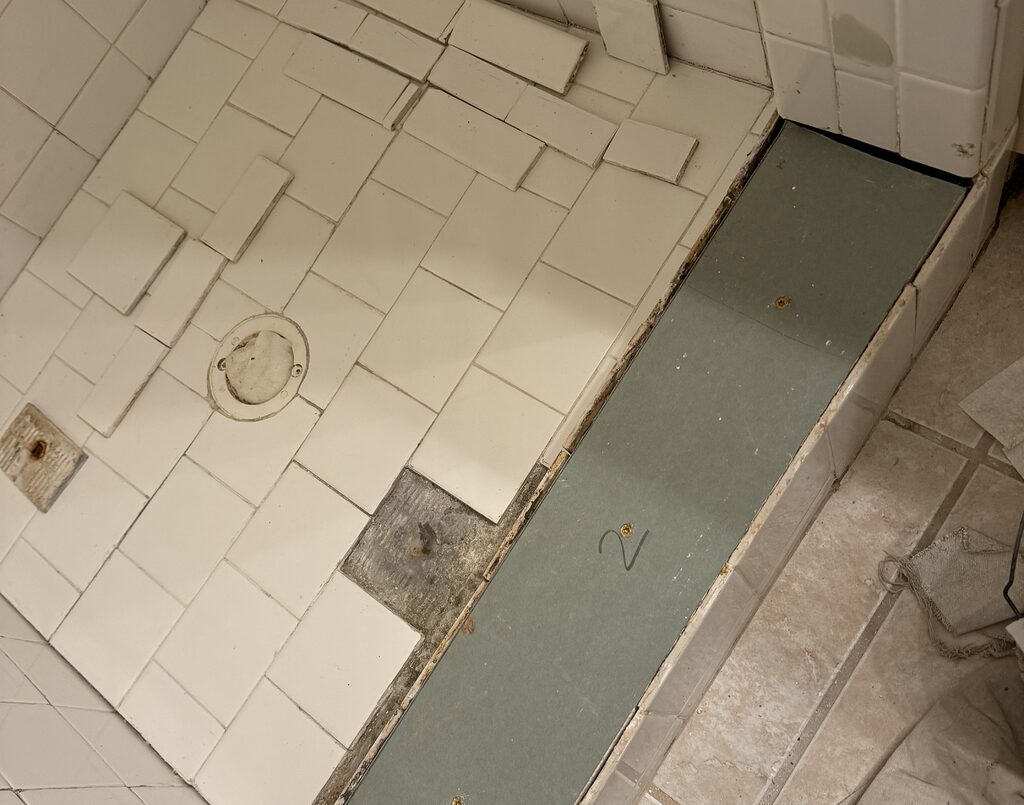
Bathroom shower floor tile becomes truly safe when slip resistance rating, tile size, texture, and proper drainage all work together, rather than relying on just one feature. Small details, like grout line width and slope toward the drain, often make as much difference as the tile material itself. Taking the time to check these factors before installation is a simple way to protect everyone who uses the bathroom, from young kids to older family members, and it can prevent a costly redo later.
If you are in the Arlington, TX area and want help choosing a safer shower floor tile for your household, Fort Worth Refinishing can walk you through slip resistance options, tile sizing, and drainage design that fits your bathroom and your family's needs. Our team also considers lighting and layout as part of a full safety review, not just the tile alone. Contact us today or give us a call to schedule a consultation.
Frequently Asked Questions
Are textured tiles safer than smooth tiles?
Yes, textured or matte finishes typically provide better traction than smooth, glossy tile, especially once the floor becomes wet.
Is smaller tile safer than large tile for showers?
Smaller tile creates more grout lines, which generally improves grip compared to large tile with fewer seams across the floor.
Do non-slip coatings actually work?
Non-slip coatings can improve traction on existing tile, though they need to be reapplied periodically to stay effective over time.
What is the safest tile material for a shower floor?
No single material is automatically the safest, since texture, size, and slip rating usually matter more than the base material alone.
Can grout lines improve shower floor safety?
Yes, grout lines add texture that helps your feet grip the floor, especially when combined with a smaller tile format overall.
Is a flat shower floor safe without a slope?
No, a proper slope toward the drain is needed to prevent standing water, which increases the risk of slipping significantly.
Do bath mats help prevent slipping on tile?
Non-slip bath mats can add extra grip, though they work best alongside a properly rated tile rather than as a replacement for one.
What safety features should a bathroom have besides tile?
Grab bars, bench seating, adequate lighting, and proper drainage design all support a safer shower experience alongside the tile itself.
How can I tell if my shower floor tile is unsafe?
Signs like a slicker feel underfoot, cracked grout, or standing water after a shower can all point to a safety concern worth inspecting closely.