
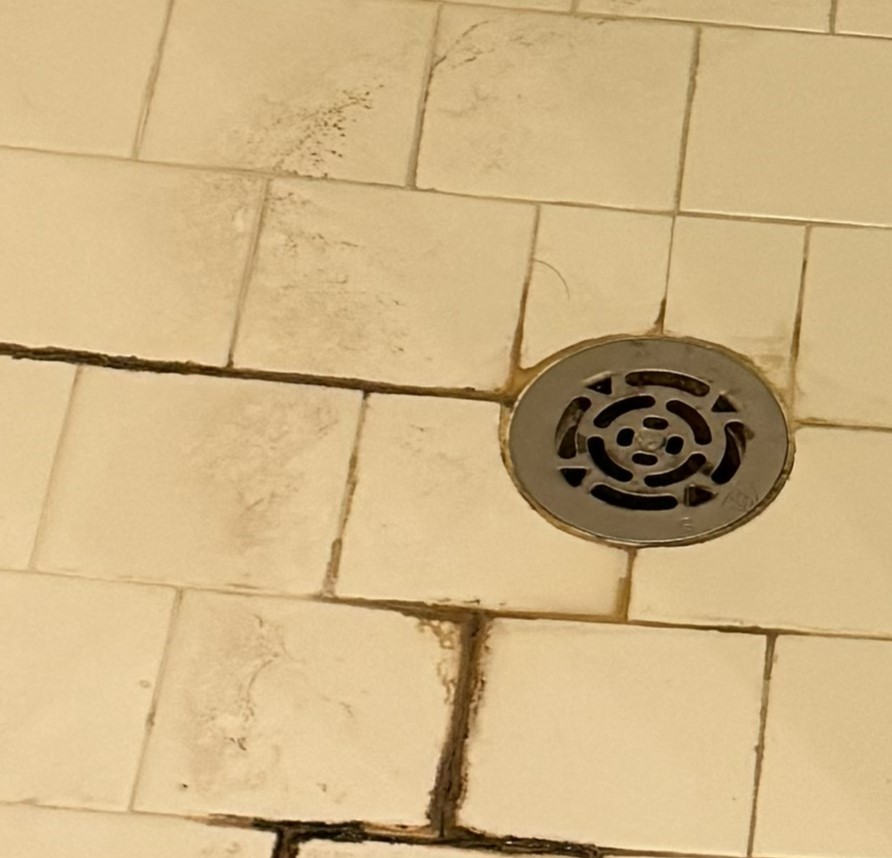
Bathroom floor tile does not usually fail all at once. The short answer is that it is time to replace your bathroom floor tile when you notice a combination of age, visible damage, water intrusion, or a mismatch between the tile and your household's current needs, rather than waiting for a single dramatic sign to appear. Some issues can be repaired without a full replacement, while others point to a bigger problem underneath the surface that a patch will not solve.
This guide walks through the clearest signs that it is time to replace bathroom floor tile, along with situations where a repair, or even ceramic tile refinishing, might be enough. Knowing the difference can save you from replacing a floor too early or, just as often, from patching a problem that keeps coming back and costing you more over time.
When Age Alone Signals It's Time to Replace Bathroom Floor Tile
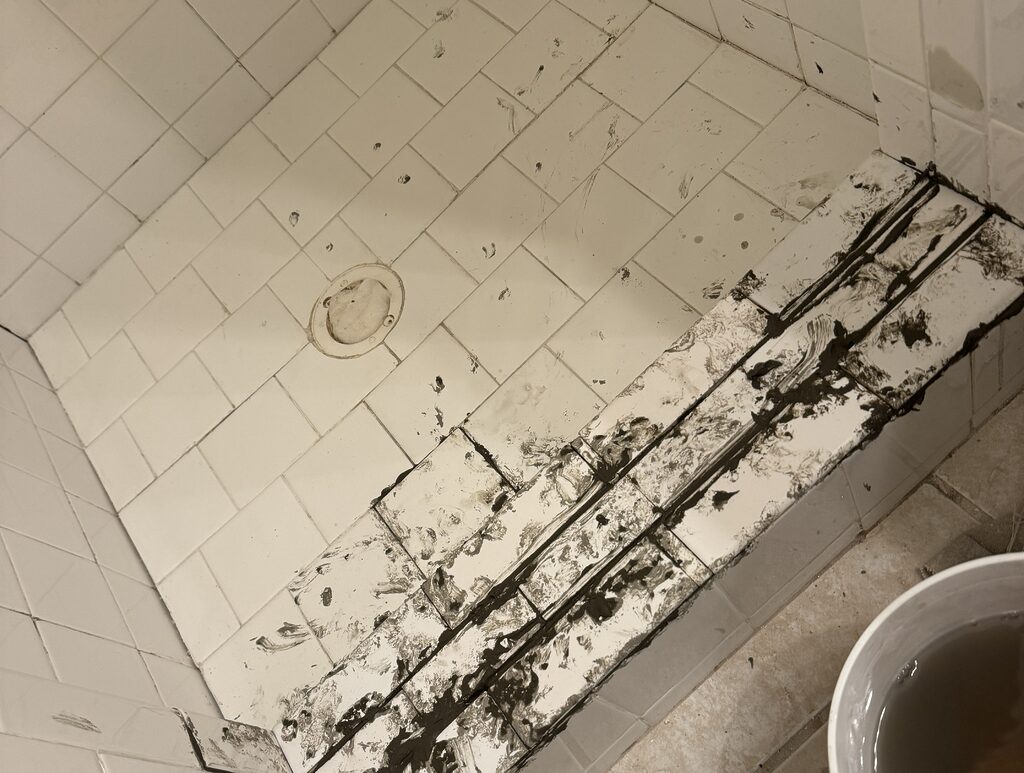
Even well-installed bathroom floor tile has a realistic lifespan, and age alone can be a valid reason to consider replacement, especially once other signs start to appear alongside it over several years. In some cases, shower refinishing can extend that lifespan a bit further before a full replacement becomes necessary.
Typical Lifespan of Common Tile Types
- Ceramic and porcelain tile can often last well over a decade with proper installation and regular care throughout its lifespan.
- Natural stone tile may need resealing more often, which can extend or shorten its practical lifespan depending on how consistently it is maintained.
- Grout typically wears out faster than the tile itself, which can make an otherwise sound floor start to look and feel dated well before the tile does.
For a full breakdown of how different materials compare from the start, our guide on What Tile Is Best for a Shower Floor? covers the options in detail.
How Original Installation Quality Affects Longevity
- A poorly installed floor may show signs of failure years before a well-installed one of the same material would.
- Missing or inadequate waterproofing during the original installation often leads to earlier replacement needs down the road.
- Subfloor issues from the original build can also shorten a tile floor's usable lifespan significantly, regardless of the tile chosen.
- If you are unsure how your current floor was installed, a professional inspection can help clarify what you are working with before deciding.
When Visible Damage Means Replacement Is Needed
Some forms of damage are a clear sign that repair alone will not solve the underlying issue, especially when the damage keeps returning after a patch and never fully goes away.
Cracked or Chipped Tiles
- A few isolated cracked tiles can sometimes be replaced individually without redoing the whole floor from scratch.
- Widespread cracking across multiple tiles often points to a subfloor issue rather than a simple tile defect.
- Chips near grout lines can let water reach the layers underneath, even if the crack looks minor at first glance.
- Repeated cracking in the same area after a spot repair is a sign that the underlying problem has not been fully resolved.
Loose or Hollow-Sounding Tiles
- Tiles that shift slightly underfoot usually mean the bond to the subfloor has weakened over time.
- Tapping a tile and hearing a hollow sound can indicate a gap has formed beneath it, even if the surface looks fine.
- A single loose tile might be fixable, but several loose tiles across the floor often point to a bigger adhesion problem overall.
- Ignoring loose tiles can lead to further cracking and water intrusion over time, which increases the scope of eventual repairs.
When Grout and Water Damage Signal a Bigger Problem
Grout issues and water damage are often connected, and together they can indicate that replacement is a better long-term choice than another round of repairs that will not fully resolve the problem.
Signs of Water Damage Beneath the Tile
- Soft or spongy spots on the bathroom floor often mean water has reached the subfloor and started to weaken it.
- Discoloration around the base of the tile can point to moisture trapped beneath the surface for an extended period.
- A noticeable shift or unevenness in the floor can be a sign of subfloor damage from long-term water exposure over time.
Our guide on Why Ceramic Shower Floor Tile Resists Water Damage explains how proper installation helps prevent these issues from the start.
Mold, Mildew, and Musty Odors
- A persistent musty smell near the bathroom floor, even after cleaning, often points to trapped moisture somewhere beneath the surface.
- Visible mold or mildew around grout lines is a sign that water is getting past the tile's protective barrier and reaching the layers below.
- Excess moisture trapped in a bathroom over time is one of the most common causes of mold and mildew growth described here.
- Mold near a bathroom floor should be addressed quickly, since it often signals a moisture problem that will continue to worsen without repair or replacement.
When Repair Makes More Sense Than Full Replacement
Not every issue requires a full floor replacement. In some cases, a targeted repair is a reasonable and cost-effective solution that can extend the life of your current bathroom floor.
Situations Where Spot Repairs Work
- A single cracked or chipped tile, with no signs of moisture damage nearby, can often be replaced individually.
- Regrouting a small section with worn or discolored grout can refresh the look without a full tear-out.
- Resealing natural stone tile on a regular schedule can extend its life without requiring replacement.
- Addressing a minor grout issue early is one of the simplest ways to avoid a larger repair later.
When a Partial Fix Will Not Last
- If water damage has reached the subfloor, a surface-level repair will not solve the underlying issue.
- Widespread loose or hollow tiles usually mean the whole floor's bond has failed, not just one section.
- Repeated mold growth after cleaning is a sign that a deeper moisture problem needs to be addressed, not just covered up.
- A technician can help determine whether your specific situation calls for a repair or a full replacement.
When Style or Safety Needs Change
Sometimes a bathroom floor tile is technically fine but no longer fits the household using it, whether because of style preferences or changing safety needs.
Outdated Style or Discoloration
- Tile that has faded, yellowed, or simply gone out of style can be a valid reason to consider a refresh.
- Grout that has permanently stained, even after deep cleaning, can make an otherwise fine floor look worn.
- A style update is often paired with other bathroom improvements during a larger renovation.
- Cost for a style-driven replacement may vary depending on the size of the bathroom and the material chosen.
If your current floor feels outdated, Angi's roundup of trending bathroom tile styles can help you see what a full replacement might look like.
New Safety Needs for Household Members
- A change in household needs, such as an aging family member, can make slip resistance a bigger priority than before.
- Upgrading tile size, texture, or slope during a replacement can address safety needs that the original floor was never designed for.
- Planning ahead for future mobility needs can make a new floor a better long-term investment.
This Old House's bath tile design ideas are a good next stop if you decide a full style refresh, not just a repair, is the right move for your bathroom.
Our guide on What Makes Bathroom Shower Floor Tile Safe? covers what to look for if safety is now your main concern.
When Local Climate Speeds Up Tile Wear
North Texas weather can play a role in how quickly bathroom floor tile shows signs of wear, especially when it comes to humidity and seasonal temperature swings.
How Humidity Affects Grout and Subfloor Materials
- Warm, humid stretches common in Arlington, TX, can put extra stress on grout lines if a bathroom lacks proper ventilation.
- Homes without a working exhaust fan may see faster grout discoloration or mold growth than well-ventilated bathrooms.
- Older homes with outdated ventilation systems are more likely to experience moisture-related tile issues over time.
- Simple upgrades, like adding or upgrading a bathroom fan, can help extend the life of an existing floor.
Seasonal Temperature Changes and Tile Stress
- Temperature swings between seasons can cause slight expansion and contraction in tile and grout over the years.
- Homes with older subfloors may be more susceptible to small shifts that eventually show up as cracks or loose tiles.
- Regular inspections during seasonal changes can help you catch small issues before they become bigger repairs.
- A professional assessment can help determine whether local climate factors are contributing to your current floor's condition.
Deciding If It's Time for a New Bathroom Floor
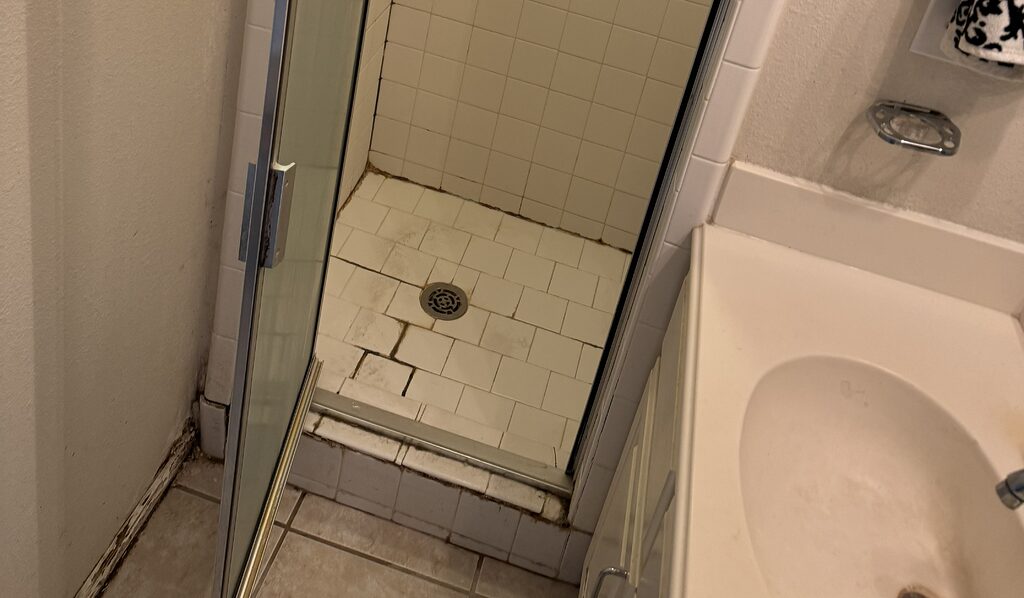
Deciding when to replace bathroom floor tile usually comes down to a combination of age, visible damage, water intrusion, and how well the current floor still fits your household's needs. Isolated issues, like a single cracked tile or a small grout problem, can often be handled with a repair. Widespread damage, ongoing moisture problems, or changing safety needs are usually a sign that a full replacement is the better long-term choice, especially if local humidity has already started to affect the grout and subfloor.
If you are in the Arlington, TX area and are not sure whether your bathroom floor tile needs a repair or a full replacement, Fort Worth Refinishing can inspect your current floor and walk you through your options. Our team takes local climate factors into account when assessing wear, not just the visible surface damage. Contact us today or give us a call to schedule a consultation.
Frequently Asked Questions
Can cracked tile be repaired instead of replaced?
Yes, a single cracked tile with no signs of moisture damage nearby can often be replaced individually without redoing the whole floor.
What does hollow-sounding tile mean?
A hollow sound when tapping a tile usually means the bond between the tile and the subfloor has weakened, creating a gap underneath the surface.
Is discolored grout a sign to replace tile?
Discolored grout alone often just needs regrouting, but it can also point to trapped moisture if the discoloration keeps returning after cleaning.
How do I know if water damage is under my tile?
Soft spots, discoloration, or a musty smell near the floor are common signs that water has reached the subfloor underneath the tile.
Can I replace just one tile instead of the whole floor?
In many cases, yes, as long as the surrounding tiles and subfloor show no signs of damage or moisture issues nearby.
Does old tile affect home value?
Outdated or damaged bathroom floor tile can affect how a home is perceived by potential buyers, especially during the home sale process.
What's a sign that tile installation failed?
Widespread loose or hollow tiles, along with early cracking, often point to an installation issue rather than normal wear and tear.
Should I replace the tile if I'm remodeling for safety reasons?
Yes, a safety-focused remodel is a good opportunity to address tile size, texture, and slope alongside any other planned updates to the bathroom.
How long does it take to replace bathroom floor tile?
Project timelines vary depending on the size of the bathroom and the scope of work, so it is best to ask for a specific estimate from your installer.