
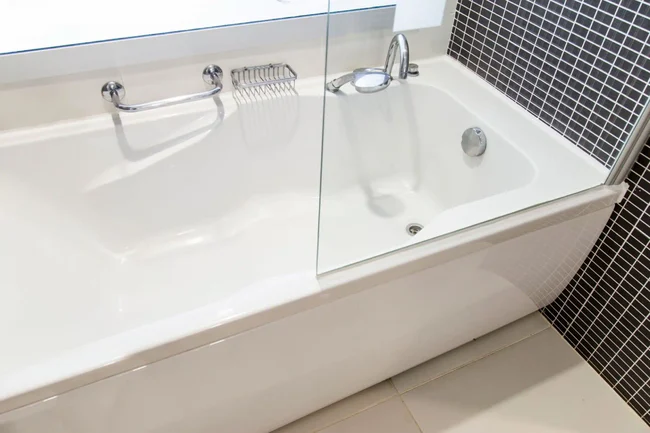
You just had your bathtub refinished, and it looks brand new. The stains are gone, the chips are smooth, and the surface is glossy and clean. Now one very practical question comes to mind: how long is this actually going to last?
That is a question every homeowner in Arlington, TX, deserves a straight answer to before investing in any bathtub refinishing service. The truth is, the lifespan of a refinished bathtub is not a fixed number. It depends on several factors that work together, and understanding those factors is the difference between a finish that lasts 15 years and one that starts peeling in two.
What to Expect from Your Refinished Bathtub Over Time
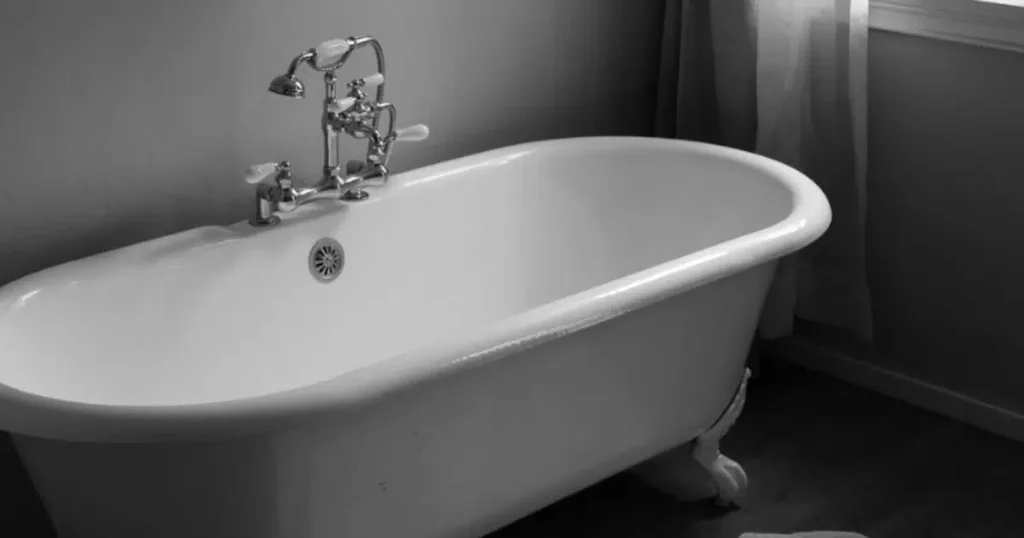
A professionally refinished bathtub typically lasts between 10 and 15 years. With the right materials, proper application, and consistent care, some finishes hold up even longer. Compare that to a full tub replacement, and refinishing becomes one of the most cost-effective bathroom restoration options available. The same applies to bathroom vanity refinishing, where material quality, surface preparation, and post-job care all determine how long the finish holds up.
Average Lifespan by Refinishing Type
- Professional refinishing with quality materials: 10 to 15 years or more
- Professional refinishing with lower-grade materials: 5 to 8 years
- DIY kit from a hardware store: 1 to 3 years
If you are weighing whether refinishing is the right move for your bathroom, Is Bathtub Refinishing Worth It? What Homeowners Should Know gives you a clear and honest breakdown of the full value picture before you commit.
Key Factors That Determine How Long Your Refinishing Lasts
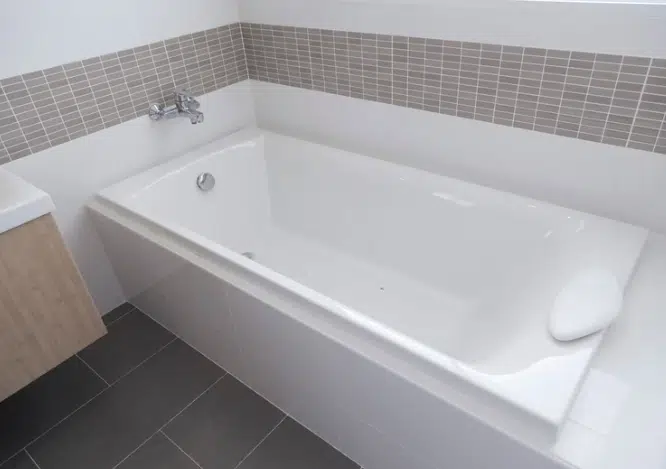
Understanding what drives refinishing lifespan helps you make smarter decisions from the moment you hire a technician to the way you clean your tub every week. These six factors consistently separate a long-lasting finish from one that fails early.
The Quality of Surface Preparation
Surface preparation is the foundation of any successful refinishing job. Before any coating goes on, the tub surface must be thoroughly cleaned, sanded, chemically etched, and primed. Skipping or rushing any of these steps means the coating will not bond correctly, and failure comes early. Poor surface prep is one of the most common reasons refinishing jobs fail well ahead of schedule.
- Always ask your technician to walk you through their preparation process step by step
- A quality professional will explain cleaning, sanding, etching, and priming without hesitation
- Avoid any company that cannot clearly describe how they prepare the surface before coating
The Type of Coating Material Used
Not all refinishing coatings perform the same. High-quality urethane and epoxy-based coatings bond more strongly and resist water, heat, and daily wear far better than lower-grade alternatives. Some companies cut costs by using cheaper materials, and the results look identical at first, but degrade much faster. Asking about coating quality upfront is one of the smartest things you can do before hiring anyone.
- Ask your refinisher to name the specific coating product and brand they use
- Check whether the coating carries any manufacturer's warranty for durability
- Higher-grade coatings bond more strongly and resist wear far longer than budget alternatives
The Skill and Experience of the Technician
Refinishing is a skilled trade. Proper mixing ratios, spray technique, application pressure, and environmental conditions all play a role in how the finish bonds and holds up over time. An experienced technician who has completed hundreds of jobs will consistently produce better results than someone still developing their process. Choosing the right professional from the start is what sets up a finish that actually lasts.
- Check online reviews and verified customer feedback before hiring anyone
- Request before-and-after photos of previous refinishing jobs they have completed
- Years of hands-on experience in the refinishing industry matter far more than the lowest quote
How Frequently the Tub Is Used
A guest bathroom tub used a few times each week will naturally outlast a primary bathroom tub used daily by the whole household. Heavy daily use means more exposure to water, soap, shampoo, and physical contact, all of which gradually wear the coating down. Maintenance habits become even more important in high-traffic situations, and staying consistent with your routine is what makes the biggest difference over time.
- Wipe the tub dry after each use to reduce prolonged water contact on the surface
- Rinse thoroughly after every bath or shower to remove soap and product residue
- Inspect the surface regularly for early signs of wear or damage
According to the overview on the bathtub refinishing process by Bob Vila, proper application and consistent post-care habits are among the most critical factors in determining how long a refinished surface holds up under regular use.
The Cleaning Products You Use
Harsh chemical cleaners are one of the fastest ways to break down a refinished surface. Products containing bleach, ammonia, or abrasive particles wear the coating down gradually. Many homeowners do not connect their cleaning habits to early finish failure because the damage builds slowly and is not always obvious right away. Building a simple cleaning routine with the right products is one of the easiest ways to extend the life of your finish.
- Use only mild, non-abrasive liquid cleaners on a refinished surface at all times
- Avoid scrubbing pads, steel wool, or stiff-bristled brushes entirely
- Rinse the tub thoroughly after every cleaning session to remove any residue left behind
Factor Six: The First 48 Hours After Refinishing
The curing window right after refinishing is the most critical period for the entire lifespan of the finish. The coating is still bonding to the surface during this time, and any water exposure, physical contact, or cleaning can permanently weaken that bond. Most professionals recommend keeping the tub completely dry and unused for at least 24 to 48 hours. Following through on this single step protects everything that came before it and gives your finish the strongest possible start.
- Follow your technician's post-care instructions exactly as given without shortcuts
- Do not use the tub early, even if the surface feels dry to the touch
- Keep the bathroom well-ventilated during the entire curing period
For a full step-by-step routine that protects your coating every day, How to Take Care of a Refinished Bathtub the Right Way covers everything you need to know.
Professional Refinishing vs. DIY Kits
Walk into any hardware store and you will find refinishing kits that promise dramatic results at a fraction of the cost. The price is appealing, but the lifespan difference between a DIY kit and a professional job is significant. Understanding that difference helps you make the right call before spending any money.
Why Professional Results Consistently Last Longer
- Surface preparation: Professionals use industrial equipment and chemical etching that create a far stronger bond than any retail kit can replicate
- Coating quality: Professional-grade products are formulated for long-term durability, while retail kits prioritize ease of application over longevity
- Application conditions: Temperature, humidity, and ventilation all affect how a coating cures, and professionals are trained to manage every one of those variables
- Experience level: A trained technician has completed hundreds of refinishing jobs, while a first-time homeowner is essentially learning on their own tub
For a full breakdown of whether refinishing or replacing makes more financial sense, the guide on whether to refinish or replace your bathtub from Angi offers a clear and practical comparison worth reading before you decide.
When Is It Time to Refinish Again?
Even a well-maintained refinished tub will eventually show its age. Knowing when to act early prevents small surface issues from turning into more serious problems that cost more to address. Most homeowners wait too long, which makes the next refinishing job more involved than it needs to be.
Common Signs Your Tub Coating Is Ready for Refinishing
- Peeling or flaking areas where the coating is visibly separating from the surface
- Chips or cracks in the finish that expose the underlying tub material
- Stubborn discoloration that no longer responds to any amount of cleaning
- A rough or dull texture where the surface has completely lost its original smoothness
- Soft or uneven spots where moisture has likely worked its way underneath the coating
If you are noticing any of these changes on your tub, do not wait for the damage to spread further. For a detailed breakdown of what each warning sign means and what steps to take next, Is Your Bathtub Refinishing Failing? Warning Signs to Know covers every symptom you need to watch for before calling a professional.
Simple Habits That Help Your Finish Last Longer
Getting the most out of a refinished bathtub does not require a complicated routine. A few consistent habits make a measurable difference in how long the coating holds up. Homeowners who follow through on basic surface care almost always get more years out of their finish than those who do not.
Easy Maintenance Habits That Protect Your Refinished Surface
- Clean with mild, non-abrasive products only and rinse thoroughly after every single use
- Dry the tub after bathing to reduce the time water and soap residue sit on the surface
- Avoid rubber bath mats with suction cups, as they trap moisture against the coating and cause premature damage
- Address small chips or cracks right away before water finds a way underneath the coating
- Keep the bathroom properly ventilated at all times to control heat and humidity levels
Ready for a Bathtub That Looks and Lasts Like New?
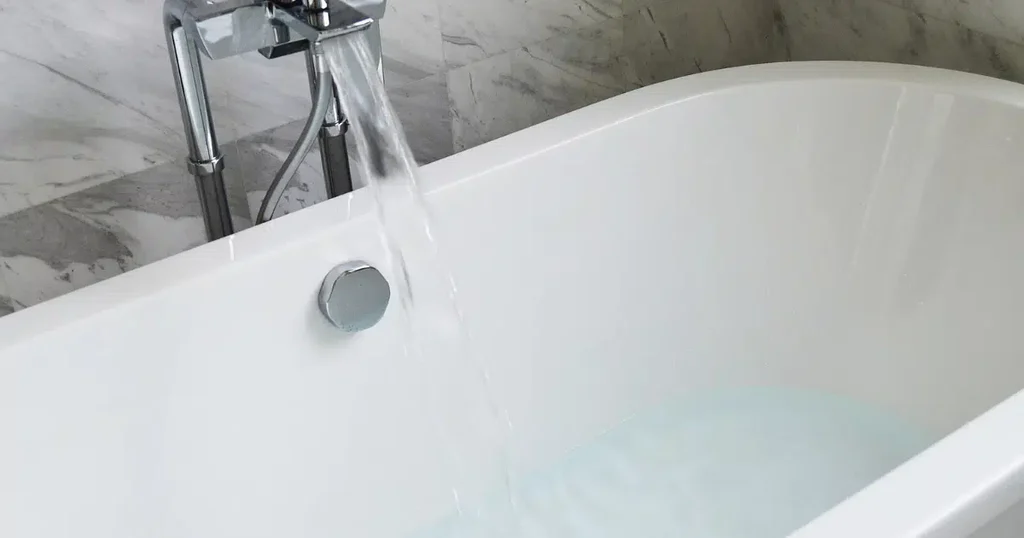
A professionally refinished bathtub is one of the smartest investments a homeowner can make for their bathroom. When the job is done right with quality materials and proper technique, you can realistically expect 10 to 15 years of a clean, smooth, like-new surface. Some finishes go well beyond that with the right care in place.
The key is choosing a skilled professional, following post-refinishing care instructions closely, using the right cleaning products, and staying consistent with ventilation and routine maintenance. Those simple steps are what separate a finish that stands the test of time from one that disappoints early. If you are in the Arlington, TX area and want a refinishing job done correctly the first time, Fort Worth Refinishing has the experience and quality materials to deliver results that last. Contact us today or give us a call to schedule your service and get your tub looking its best again.
Frequently Asked Questions
Does water hardness in Arlington, TX, affect refinishing lifespan?
Hard water leaves mineral deposits that gradually dull and damage the surface coating. Wiping the tub dry after each use and using a gentle cleaner helps minimize that buildup over time.
What type of coating lasts the longest on a refinished bathtub?
High-quality urethane and epoxy-based coatings consistently outperform lower-grade options in terms of durability, resistance to wear, and long-term adhesion.
Can I use bath bombs in a refinished bathtub?
Bath bombs often contain dyes, oils, and acidic ingredients that can degrade the coating over time. If you use them, rinse the tub thoroughly right after every use.
How long should I wait before using my tub after refinishing?
Most professionals recommend waiting at least 24 to 48 hours. Some premium coatings require up to 72 hours for a complete cure, so always follow your technician's specific instructions.
Does bathroom ventilation really affect how long refinishing lasts?
Yes. Poor ventilation traps heat and humidity, which puts ongoing stress on the coating. Running an exhaust fan during and after every bath or shower helps significantly.
Is refinishing a bathtub safe for households with children or pets?
The coating materials require proper ventilation during application and a full curing period before use. Once fully cured, a refinished tub is completely safe for everyday household use.
Can a refinished tub be used with a handheld showerhead?
Yes, but avoid directing a strong spray directly at any repaired edges or seams. Consistent high-pressure water contact on those areas can wear the coating faster over time.
What happens if a chip in my refinished tub is left unrepaired?
Water can work its way underneath the coating through an unrepaired chip, causing the surrounding finish to lift and peel. Addressing small chips early prevents much larger repairs later.
Does the shape or material of the tub affect how long refinishing lasts?
Yes. Fiberglass tubs flex slightly with use, which can stress the coating more than a cast-iron or acrylic tub would. Your technician should account for the tub material during both preparation and coating selection.