
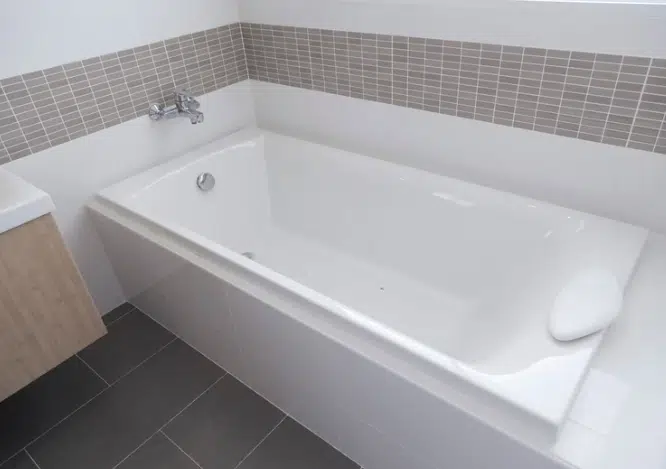
You invested in bathtub refinishing, and the results look great. The surface is smooth, clean, and bright again. Now the most important part begins, and that is keeping it that way.
A refinished bathtub is not maintenance-free. The coating is durable, but it responds directly to how you treat it. The homeowners who get 15 or more years out of their finish are not lucky. They simply follow a few consistent habits that protect the surface from the things that wear it down fastest. This guide covers exactly what to do, what to avoid, and how to build a simple care routine that keeps your refinished bathtub in Arlington, TX, looking its best for years to come.
Why Proper Care Matters More Than Most Homeowners Realize
A refinished bathtub surface is not the same as the original porcelain or acrylic underneath it. It is a professionally applied coating that bonds to the existing surface. That coating is strong and long-lasting when treated correctly, but it is also more sensitive to certain products and habits than a raw tub surface would be.
The most common reason refinishing fails ahead of schedule is not poor workmanship. It is what happens after the job is done. Harsh cleaners, abrasive tools, standing water, and improper use all chip away at the coating over time. Understanding why these things matter makes it much easier to build habits that actually protect your investment.
What Damages a Refinished Surface Faster Than Anything Else
- Cleaning products that contain bleach, ammonia, or abrasive particles
- Scrubbing pads, steel wool, or stiff-bristled brushes are used on the surface
- Rubber bath mats with suction cups left sitting on the coating for extended periods
- Standing water and soap residue left to sit on the surface after every use
If you are still deciding whether refinishing is the right investment for your bathroom, Is Bathtub Refinishing Worth It? What Homeowners Should Know gives you a clear and honest breakdown of the full value picture before you commit.
Daily Habits That Protect Your Refinished Bathtub
The biggest impact on your refinished tub comes from what you do every single day. Daily habits do not take much time, but they make the largest difference in how long the coating holds up over the entire lifespan of the finish. Consistency is what matters here. A quick wipe-down after every use takes less than a minute and prevents the kind of buildup that gradually degrades the surface.
Simple Daily Routine to Follow After Every Use
- Rinse the tub thoroughly after every bath or shower to remove soap, shampoo, and body wash residue
- Wipe the surface dry with a soft cloth or squeegee to prevent water spots and mineral deposits from forming
- Remove any bath products, razors, or accessories from the tub after each use to avoid prolonged contact with the coating
The Right Way to Clean a Refinished Bathtub
Cleaning a refinished tub requires a different approach than cleaning a standard porcelain or acrylic surface. The coating responds poorly to anything harsh, abrasive, or highly acidic. Using the wrong products, even once in a while, gradually breaks down the surface over time. The good news is that a refinished surface does not need aggressive cleaning products to stay clean. Mild products used consistently do a far better job of maintaining the finish without causing any damage.
Cleaning Products That Are Safe to Use
- Mild dish soap mixed with warm water is one of the safest and most effective everyday cleaners
- Non-abrasive liquid bathroom cleaners that are specifically labeled safe for refinished or reglazed surfaces
- A soft microfiber cloth, sponge, or non-scratch pad for gentle scrubbing when needed
According to the care and maintenance guidance covered in how refinished tub surfaces work by The Spruce, using non-abrasive cleaners and soft tools is one of the most important factors in preserving the quality and longevity of a refinished surface.
Cleaning Products and Tools to Avoid Completely
- Any cleaner containing bleach, ammonia, hydrogen peroxide, or acidic ingredients
- Powder-based abrasive cleaners that scratch and dull the coating surface over time
- Steel wool, rough scrubbing pads, or any stiff-bristled brush on the refinished surface
What to Avoid Placing on a Refinished Bathtub Surface
What you put in and around your refinished tub matters just as much as how you clean it. Certain everyday bathroom items can cause significant damage to the coating when left in contact with the surface for extended periods. Being mindful of what sits on your tub surface is one of the easiest and most overlooked ways to protect the finish.
Items That Can Damage Your Refinished Tub Coating
- Rubber bath mats with suction cups trap moisture underneath and pull at the coating when removed
- Shampoo bottles, soap bars, and other products left sitting directly on the surface cause staining and residue buildup
- Metal accessories, razors, or sharp objects resting on the coating can cause chips and scratches over time
- Plastic organizers or caddies with rough or textured bases that sit directly on the refinished surface
Better Alternatives That Protect the Surface
- Use a fabric or foam bath mat that does not attach to the tub surface with suction cups
- Store bath products on a shower caddy that hangs over the showerhead or mounts to the wall
- Choose soft, non-abrasive accessories for anything that makes regular contact with the tub
How to Handle Chips and Scratches on a Refinished Surface
Even with the best care routine in place, small chips and scratches can happen over time. The most important thing to know is that ignoring them is the worst thing you can do. A small chip that is left unaddressed allows water to work its way underneath the coating, which causes the surrounding area to lift and peel. Catching damage early and having it professionally addressed keeps a small issue from turning into a much larger one.
What to Do When You Notice Surface Damage
- Inspect the surface regularly so you catch chips and scratches before they grow into larger problem areas
- Keep the damaged area as dry as possible until a professional can assess and address it properly
- Contact a refinishing technician for a proper touch-up rather than attempting a DIY repair with household products
For a complete breakdown of what surface damage looks like at different stages and what each type means, Is Your Bathtub Refinishing Failing? Warning Signs to Know gives you a clear picture of when to act and what to do next.
Seasonal and Deep Cleaning Tips for a Refinished Bathtub
Beyond the daily routine, a light deep cleaning every few weeks helps keep the surface in top condition. Deep cleaning a refinished tub does not mean scrubbing harder. It means spending a little more time on areas that accumulate residue and mineral deposits over time. Consistency with periodic deep cleaning prevents buildup from becoming stubborn enough to require heavy-duty products that would damage the coating.
Safe Deep Cleaning Steps to Follow Every Few Weeks
- Apply a mild non-abrasive bathroom cleaner to the entire surface and let it sit for two to three minutes before rinsing
- Use a soft sponge or microfiber cloth to gently work through any areas with soap scum or mineral deposits
- Rinse thoroughly with warm water and dry the surface completely before using the tub again
For a broader set of bathroom maintenance habits that complement your tub care routine, the guide on bathroom maintenance dos and don'ts from Family Handyman covers the full picture of keeping a bathroom in top condition over time.
How Ventilation Affects Your Refinished Bathtub
Bathroom ventilation plays a bigger role in extending lifespan than most homeowners expect. A bathroom that traps heat and humidity after every shower puts constant stress on the tub coating. Over time, that stress weakens the bond between the coating and the underlying surface. Good ventilation does not require any special equipment beyond what most bathrooms already have, and the same principle applies to bathroom vanity refinishing, where moisture control is equally important for preserving the finish long term. It simply requires using what is already there consistently and making sure the bathroom dries out properly after every use.
Ventilation Habits That Help Your Coating Last Longer
- Run the exhaust fan during every shower or bath and leave it running for at least 15 minutes after
- Open the bathroom door after bathing to allow moisture to escape the room more quickly
- Check that your exhaust fan is working properly and have it serviced if it is not moving air effectively
A Simple Weekly Care Checklist for a Refinished Bathtub
Staying consistent is easier when you have a clear routine to follow. This checklist covers the most important care habits organized by how often they should be done. Following it regularly is the most reliable way to extend the life of your refinished surface and get the most out of your investment over the long term.
Daily Tasks
- Rinse the tub after every use to remove soap and product residue from the surface
- Wipe the surface dry with a soft cloth to prevent water spots and mineral buildup
- Remove all bath products and accessories from the tub surface after each use
Weekly Tasks
- Clean the entire surface with a mild non-abrasive cleaner and a soft sponge or cloth
- Inspect the surface for any new chips, scratches, or areas of concern that need attention
- Check the caulk around the tub perimeter and note any areas that may need re-sealing
Monthly Tasks
- Perform a thorough deep clean to address any soap scum or mineral deposit buildup
- Check that bath product storage is not causing prolonged contact with the tub surface
- Confirm that ventilation is working properly and the bathroom is drying out after each use
If you want to understand the full lifespan picture and what professional refinishing can realistically deliver, How Long Does Bathtub Refinishing Last? gives you all the facts you need to set the right expectations from the start.
Your Refinished Bathtub Will Last When You Treat It Right

Taking care of a refinished bathtub is not complicated. It comes down to using the right products, building a few simple daily habits, and staying on top of small issues before they grow into bigger ones. Homeowners who follow a consistent routine almost always get the full lifespan out of their finish and often go well beyond the average.
The effort is minimal, but the payoff is significant. A refinished surface that is properly maintained saves you from early re-refinishing costs and keeps your bathroom looking clean and well-kept for years. If you are in the Arlington, TX area and want expert refinishing done right the first time, Fort Worth Refinishing is ready to help. Contact us today or give us a call to schedule your service and get your bathroom back to its best.
Frequently Asked Questions
Can I use a magic eraser on a refinished bathtub?
No. Magic erasers are micro-abrasive and will gradually dull and damage the coating surface. Stick to soft cloths or non-scratch sponges with a mild cleaner instead.
Is it safe to use essential oils or bath salts in a refinished tub?
Use them sparingly and rinse the tub immediately and thoroughly after each use. Some oils and salts contain ingredients that can leave residue or degrade the coating over time.
What is the best way to remove hard water stains from a refinished tub?
Apply a small amount of white vinegar diluted with water to the affected area and let it sit briefly before rinsing. Avoid full-strength vinegar or acidic commercial products, as these can damage the coating.
Can I re-caulk around a refinished bathtub myself?
Yes. Re-caulking is a routine maintenance task that does not affect the refinished surface itself. Use a bathroom-grade silicone caulk and make sure the area is fully dry before applying.
Will leaving shampoo bottles on the tub surface really cause damage?
Yes, over time. The bottoms of plastic bottles trap moisture and residue against the coating, which can cause staining and gradual surface degradation. A wall-mounted or hanging caddy is a better solution.
Can I use a pressure shower head attachment to rinse a refinished tub?
A standard handheld showerhead is fine for rinsing. Avoid directing a high-pressure spray at the edges, seams, or any repaired areas for extended periods, as this can wear the coating faster.
How do I know if a cleaning product is safe for a refinished surface?
Check the label for any mention of bleach, ammonia, acids, or abrasives. If those ingredients are listed, the product is not safe for a refinished tub. When in doubt, mild dish soap and warm water are always a safe choice.
Does the type of water in Arlington, TX, affect how I should care for my refinished tub?
Yes. Arlington has moderately hard water, which means mineral deposits can build up on the surface faster than in areas with softer water. Drying the tub after every use is especially important in this area.
Can I use a tub mat after refinishing?
Yes, but choose a fabric or foam mat that does not attach to the surface with suction cups. Suction cup mats trap moisture and can pull at the coating when removed, causing premature damage.